What is an AI Powered Optical Sorter and How Does It Work?
AI-Powered Optical Sorters are transforming industries by enhancing sorting efficiency. These advanced machines use artificial intelligence to analyze and categorize materials. They integrate sophisticated cameras and sensors to detect variations in color, size, and shape.
The technology behind AI-Powered Optical Sorters goes beyond traditional sorting methods. They are capable of learning from their surroundings, improving accuracy over time. However, the implementation of AI in sorting raises questions. How reliable are these systems in different conditions?
Despite the benefits, challenges remain in deploying AI-Powered Optical Sorters effectively. Factors such as lighting and material changes can impact performance. The learning curve may lead to inconsistent results initially. These considerations highlight the importance of ongoing evaluation in the use of AI technology for sorting.
Definition of AI Powered Optical Sorters
AI powered optical sorters are revolutionizing the recycling and agricultural industries. These machines use advanced technology to identify and sort materials based on various criteria like color, size, and shape. The result? A more efficient sorting process that reduces contamination and increases material recovery rates.
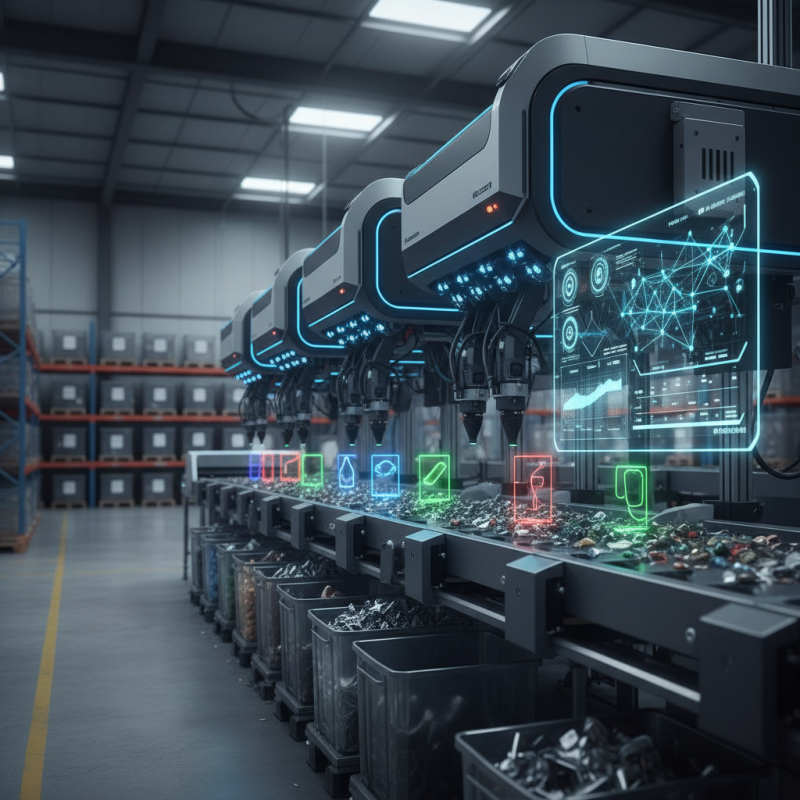
At their core, AI powered optical sorters rely on image recognition algorithms. Cameras capture high-resolution images of items on a conveyor belt. The system processes these images in real time, determining whether an item meets the desired specifications for sorting. This rapid assessment speeds up the entire operation. However, not every item is perfectly recognized. Some may slip through due to lighting variations or overlapping materials.
The flexibility of these sorters is impressive. They can be trained to recognize new materials over time. This adaptability allows for continuous improvement. Yet, reliance on AI does present challenges. Occasionally, faulty data can lead to incorrect sorting decisions. Operators must remain vigilant and regularly calibrate their systems. Continuous monitoring ensures these machines perform optimally.
Key Components of AI Powered Optical Sorting Technology
AI powered optical sorting technology utilizes advanced algorithms and high-resolution cameras. This technology is crucial in sorting a variety of materials, such as food products, recyclable materials, and industrial components. The system detects color, shape, and size, enabling precise sorting at high speeds.
Key components of this technology include image processing units, sorting mechanisms, and AI algorithms. The image processing unit captures detailed images of the items on the conveyor belt. It analyzes these images in real-time, making split-second decisions. The sorting mechanism either ejects items or redirects them based on the analysis. The AI algorithms continually learn from mistakes. They refine the sorting criteria over time to improve accuracy.
Despite its advantages, challenges remain. The setup requires regular calibration to maintain efficiency. Environmental factors, like lighting conditions, can affect performance. Operators must also be mindful of potential biases in data inputs. This reflection could lead to better designs and more reliable systems in the future.
How AI Algorithms Enhance Sorting Efficiency and Accuracy
AI-powered optical sorters leverage advanced algorithms to improve sorting processes greatly. By analyzing visual data, these systems can identify items with remarkable speed. High-definition cameras capture images of materials on a conveyor belt. The AI algorithms process this data, distinguishing between different types of products. This precision reduces human error and reliance on manual labor.
Efficiency is heightened through machine learning. The AI continuously learns from its sorting decisions, adapting to new patterns over time. This allows for improved accuracy, especially when dealing with complex materials. Multiple parameters, such as size, color, and shape, can be analyzed simultaneously. However, even the most sophisticated systems might struggle with similar-looking items.
The importance of constant refinement cannot be overstated. Operators must regularly evaluate AI's sorting capabilities. This ensures the system remains efficient and accurate, addressing any potential flaws. Human oversight plays a crucial role in balancing technology and practicality. Keeping this in mind can enhance the overall performance of AI-powered sorting systems.
AI Powered Optical Sorter Efficiency Comparison
Applications of AI Powered Optical Sorters in Various Industries
AI powered optical sorters are transforming various industries by enhancing efficiency and accuracy. In the food sector, for example, these systems identify defects or contaminants in fruits and vegetables. According to a report by MarketsandMarkets, the global food sorting machine market is projected to reach USD 924 million by 2024, with AI technologies playing a key role in this growth. Companies are seeing significant reductions in waste and improvements in quality, leading to higher customer satisfaction.
In the recycling industry, AI powered optical sorters are crucial for efficiently separating materials. The sustainability sector is under pressure to increase recycling rates. A study by the World Economic Forum highlights that up to 35% of recyclable materials end up in landfills due to inefficient sorting processes. The adoption of AI can reduce this figure, promoting better environmental practices. However, challenges remain in adapting these systems to handle diverse materials effectively, showcasing the need for ongoing innovations and improvements.
The textile industry also benefits from AI powered sorting technology. Automated systems can efficiently separate fabrics, ensuring higher quality in production lines. According to the Textile World report, AI is expected to enhance operational efficiency by up to 30%. This shows a clear potential. However, integrating new technologies can lead to staffing challenges and require significant training. Despite these hurdles, the advantages of AI remain compelling.
What is an AI Powered Optical Sorter and How Does It Work?
| Dimension | Data |
| Sorting Speed | Up to 300 items per minute |
| Accuracy Rate | 95% to 99% |
| Common Applications | Food processing, Recycling, Agriculture |
| Technology Used | Machine Learning, Computer Vision |
| Key Benefits | Increased efficiency, Reduced labor costs, Enhanced quality control |
| Typical Industries | Food, Waste Management, Manufacturing |
Future Trends and Innovations in AI Optical Sorting Technology
AI-powered optical sorting technology is transforming various industries, from food processing to recycling. The global market for optical sorting systems is projected to reach $2.3 billion by 2025, driven by advancements in machine learning and computer vision. This surge highlights the growing demand for efficient sorting solutions in waste management and food safety.
Future trends indicate an increased integration of AI algorithms into sorting mechanisms. One promising development is real-time data analytics, enabling machines to learn patterns and improve accuracy. Reports suggest that AI-enhanced systems can achieve up to 95% sorting accuracy, outperforming traditional methods. However, the consistency of these systems can vary based on the materials processed and environmental conditions. Ensuring reliability requires continuous testing and adaptation.
Despite the potential benefits, challenges remain. Implementing AI in sorting technology demands substantial investment in training and infrastructure. Some facilities may struggle with integrating new systems into existing workflows. Moreover, the evolving nature of AI presents questions about the long-term adaptability of these technologies. Ongoing research and collaboration will be essential to address these issues and unlock the full potential of AI-powered optical sorters.