What is Aluminum Extruded Profiles and How to Source Them?
Aluminum Extruded Profiles are essential components in various industries, from construction to automotive. These profiles are created by forcing aluminum through a carefully designed die, resulting in specific shapes that meet diverse needs. Sourcing these materials can be challenging, especially for businesses lacking experience in this area. Understanding the market landscape is crucial.
Vendors offer varied options, which can lead to confusion. Quality matters immensely; therefore, finding reliable suppliers is vital. This process may require in-depth research and evaluation. Businesses need to consider factors like material grade, dimensional accuracy, and finish. It’s easy to overlook these details, leading to costly mistakes.
Choosing the right aluminum profiles involves balancing cost and performance. Some may prioritize lower prices, but long-term durability often outweighs initial savings. Reflection on past sourcing experiences proves beneficial in improving future choices. Engaging with experts can provide deeper insights into the specifications and applications of Aluminum Extruded Profiles. These steps contribute to informed decisions that enhance overall project outcomes.
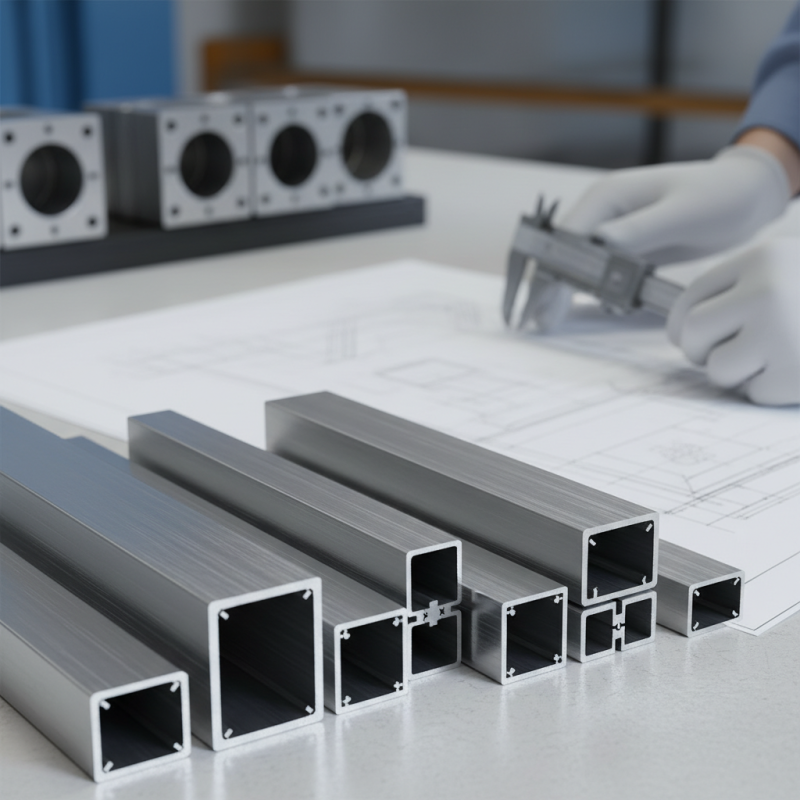
What are Aluminum Extruded Profiles?
Aluminum extruded profiles are versatile components widely used in various industries. These profiles are created by forcing aluminum through a shaped opening in a die, resulting in a continuous length of material with a specific cross-section. They can vary significantly in size, shape, and thickness, making them ideal for applications ranging from construction to automotive manufacturing.
According to a report by Market Research Future, the global aluminum extrusion market is expected to reach approximately $145 billion by 2025. This growth can be attributed to the lightweight properties of aluminum, coupled with its strength and resistance to corrosion. Many companies are turning to aluminum extruded profiles due to these advantages, as they can enhance the performance and longevity of products while reducing overall weight.
While sourcing aluminum extruded profiles, it's essential to consider the quality and specifications needed for your project. Not all suppliers meet industry standards, which can lead to reliability issues in end products. Engaging with reputable sources and conducting thorough quality checks can mitigate these risks. Additionally, building relationships with suppliers may provide insights into upcoming trends and innovations in the industry that may not be readily available through general research.
Key Benefits of Using Aluminum Extruded Profiles
Aluminum extruded profiles offer various advantages that make them an essential material across different industries. One primary benefit is their lightweight nature. This characteristic enhances efficiency, especially in construction and automotive sectors. Manufacturers often choose aluminum because it requires less energy for transportation. Despite being light, these profiles still retain impressive strength. This balance makes them ideal for structural applications.
Another significant advantage is the versatility of aluminum extruded profiles. They can be easily shaped into complex designs. This adaptability facilitates innovative product development. Construction projects commonly use them for architectural elements. Their aesthetic appeal adds value to various designs. Additionally, aluminum is highly corrosion-resistant, which extends the lifespan of products. This durability reduces maintenance costs over time.
Sourcing aluminum extruded profiles can pose challenges. Quality control varies among suppliers. It's crucial to evaluate their production methods and standards. Some profiles may not meet specific requirements. This inconsistency can lead to project delays. Potential buyers should establish clear communication with manufacturers. Gathering samples is a wise approach before making large orders. It helps ensure that the profiles will perform as expected in real-world applications.
Common Applications of Aluminum Extruded Profiles
Aluminum extruded profiles are versatile materials with wide applications across various industries. They are used in construction for window frames, roofing, and facades. Their lightweight nature and resistance to corrosion make them ideal for outdoor structures. In the automotive sector, these profiles contribute to fuel efficiency by reducing vehicle weight. Each application demands specific properties, such as strength or thermal conductivity.
In the electronics industry, aluminum profiles serve as enclosures and heat sinks. These components require precise engineering to ensure proper functionality. Profiles must fit snugly and dissipate heat effectively to protect sensitive equipment. The customization options available are vast. However, sourcing the right profiles can be challenging. It's crucial to seek suppliers who understand industry standards and quality assurance.
Additionally, using aluminum profiles in furniture design has gained popularity. Their sleek lines provide modern aesthetics while maintaining functionality. Designers must consider the alloy’s specific properties to meet durability needs. There are potential pitfalls in design choices, which can lead to unforeseen costs or functional issues. Balancing innovation with practicality is a constant challenge in this evolving field.
Steps to Source Quality Aluminum Extruded Profiles
When sourcing quality aluminum extruded profiles, it is essential to define your requirements first. Consider the specific dimensions, shapes, and tolerances that meet your project needs. Understanding these details will help you communicate effectively with suppliers. Look for manufacturers with a solid reputation. Research customer reviews and industry feedback to gauge their reliability.
Connecting with multiple suppliers increases your chances of finding the right fit. Request samples to evaluate the quality of their profiles. Compare the finishes and the strength of the materials. This step is crucial before making a bulk purchase. Don't forget to check their production capabilities. Some suppliers may lack the infrastructure for customizing orders.
Tips: Always verify the certifications of the suppliers. Compliance with industry standards is vital. It reflects their commitment to quality.
Another tip is to assess lead times and pricing. A lower price may signal compromised quality. Be cautious about such deals. It's better to invest in reliable profiles than to face delays later in your project. Reflect on your sourcing process; adjustments might improve outcomes in future projects.
Factors to Consider When Choosing a Supplier for Aluminum Profiles
When selecting a supplier for aluminum extruded profiles, several factors come into play. Quality assurance is paramount. Examine certifications and manufacturing processes. A reliable supplier should have a proven track record. Ask for samples to evaluate their work firsthand.
It's wise to consider the supplier's experience in your specific industry. Each sector has unique requirements. A supplier familiar with your needs will likely deliver better results. Have they fulfilled similar projects? This insight can make a significant difference.
**Tips:** Look for transparency in communication. A good supplier should be responsive and willing to share information. This builds trust and ensures a smoother collaboration. Also, assess their ability to meet deadlines. Delays can cost time and money.
Be mindful of pricing but avoid the cheapest option. Low prices may indicate compromised quality. Find a balance between cost and superior products. Each decision reflects on your overall project success. Take time to reflect on your choices and their implications.
Aluminum Extruded Profiles Supplier Comparison