2026 Best Microinverter Solar Off Grid Solutions Explained?
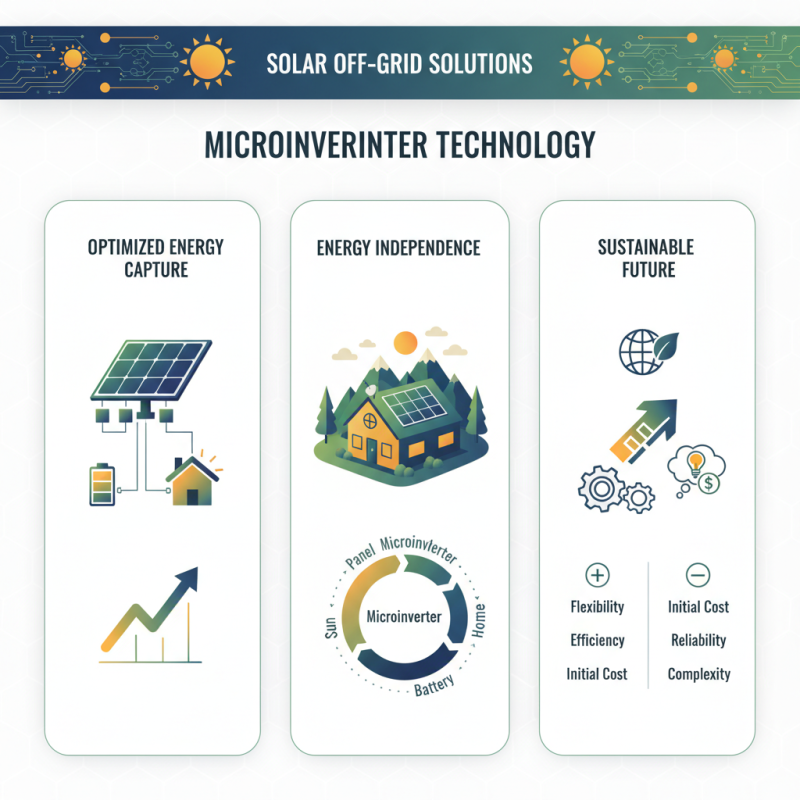
microinverter solar off grid solutions are gaining popularity as renewable energy becomes essential. These systems play a crucial role in energy independence, especially in remote areas. Using microinverters can optimize solar panel performance, allowing for efficient energy capture.
In a world increasingly focused on sustainability, the choice of microinverter solar off grid systems is vital. They offer flexibility and ease of installation. Many users appreciate the better energy output from each panel. However, some installations can be complex and may require professional assistance.
Microinverters provide significant advantages, yet they are not without challenges. The upfront cost can be higher compared to traditional methods. Balancing efficiency and expense remains a consideration. As technology evolves, the best solutions for off-grid living may continue to improve. Exploring these options offers hope for a more sustainable future.
Overview of Microinverters in Solar Off Grid Systems
Microinverters serve a crucial role in solar off-grid systems. They convert DC to AC power at the solar panel level. This design allows for better energy optimization, especially in shaded areas. In fact, reports indicate that microinverters can improve energy production by 20%-30% compared to traditional string inverters.
The increasing adoption of microinverter technology is driven by their advantages. They enhance system reliability and simplify maintenance. However, initial costs can be higher than traditional options, which may deter some users. A study noted that while microinverter systems tend to cost 10%-15% more upfront, their long-term benefits may offset this expense over time.
Despite these benefits, microinverters are not without challenges. Some users report installation complexities due to additional components. The longevity of the microinverter itself can also be concerning, as failure may require replacement. Evaluating these factors is crucial for anyone considering microinverter solutions in their off-grid solar systems. Balancing cost, efficiency, and reliability remains essential for optimal performance.
Key Benefits of Using Microinverters for Off Grid Solar Solutions
Microinverters offer distinct advantages for off-grid solar solutions. They work independently, allowing each solar panel to perform optimally. This means even if one panel is shaded, others generate power effectively. Such resilience is crucial where sunlight can vary dramatically throughout the day.
Another key benefit is improved energy conversion. Microinverters convert direct current to alternating current at each panel. This localized conversion reduces energy loss. When sunlight strikes panels unevenly, microinverters help balance output. The result? More usable energy for your home or cabin.
However, it's worth noting that microinverters can be more expensive to install than traditional systems. Maintenance might be tricky if one fails. Also, their small size makes them sensitive to extreme weather. Overall, their benefits often outweigh these issues, especially for those valuing reliability in off-grid settings.
Top Features to Look for in 2026's Best Microinverter Options
When exploring the best microinverter solar off-grid solutions for 2026, several key features can significantly enhance performance and reliability. Efficiency is critical. Look for microinverters that offer high conversion rates. A model with an efficiency rating above 95% typically maximizes energy production. Durability matters too. Choose microinverters built to withstand harsh weather conditions. They should have robust housing and protection from dust and moisture.
Consider the ease of installation. Some models come with user-friendly designs. Installation can be quick, minimizing labor costs. Wireless monitoring features are increasingly popular. They allow users to track performance in real-time. However, these systems can sometimes be complex. Familiarize yourself with the interface to avoid frustration.
Tips: Check for warranties and support. A longer warranty often indicates quality. Make sure the company provides accessible customer service. Don’t overlook the importance of compatibility. Ensure your chosen microinverters work seamlessly with your solar panels. This could lead to a more efficient system overall. Reflect on your energy needs before finalizing your choice. Balancing cost and performance is essential for a successful off-grid setup.
Comparative Analysis of Leading Microinverter Brands in 2026
In 2026, microinverters stand out for off-grid solar solutions. Their role in optimizing energy production is essential. A recent report indicates microinverters can increase energy yield by 20% compared to traditional inverters. However, not all brands offer the same performance or reliability.
When comparing leading microinverter brands, performance metrics like efficiency and lifespan are critical. The best products boast around 95-98% efficiency. It's vital to assess warranty options too. Shorter warranties may indicate lower confidence in product durability. A deeper inspection of technology can reveal design flaws. These flaws can impact system performance over time.
Tips: Consider the installation environment. Shade and tilt angles can significantly affect efficiency. Choose a system that adapts well to your home’s conditions. Regular maintenance is also necessary. Ignoring this could lead to decreased performance. Analyzing user reviews provides insights into real-world performance.
Installation and Maintenance Tips for Off Grid Microinverter Systems
When setting up an off-grid microinverter system, installation and maintenance are critical. Choose a location with ample sunlight. Installing panels at the right angle maximizes their efficiency. Use proper mounting hardware to secure the panels. It’s easy to overlook securing everything tightly. A loose panel can lead to damage over time. Make sure to check connections regularly. Corrosion is a common issue that can affect performance.
For maintenance, keep the panels clean. Dust and debris can block sunlight. Use water and a soft cloth to wipe them down. Avoid abrasive cleaners, as they can cause scratches. Inspect the microinverters at least twice a year. Look for signs of wear or damage. Sometimes, small issues are easy to miss but can lead to bigger problems. Record your observations and findings to track any changes over time. Taking these steps may seem tedious but is essential for longevity. Every small effort contributes to the overall success of your system.
2026 Best Microinverter Solar Off Grid Solutions
This chart illustrates the efficiency comparison of different microinverter systems for off-grid solar solutions in 2026. The data reflects the average energy output (in kWh) per day under typical usage conditions.