Best Polyurethane Timing Belts for Your Machinery Needs?
When it comes to machinery applications, choosing the right components is critical. Polyurethane Timing Belts stand out for their durability and strength. According to a recent industry report, these belts can increase operational efficiency by up to 30% compared to traditional materials. Their resistance to wear and tear makes them ideal for various industrial uses, including conveyors and automotive engines.
Polyurethane timing belts are not without their challenges. While they offer great flexibility, their performance can be affected by environmental factors such as temperature and humidity. In some cases, users have reported premature wear if belts were not properly matched to the specific application. This highlights the importance of having expert knowledge when selecting these belts.
Investing in high-quality polyurethane timing belts can yield significant long-term benefits. However, organizations must remain vigilant in monitoring their performance. Leveraging the insights from reliable industry data is essential for maximizing machinery efficiency.
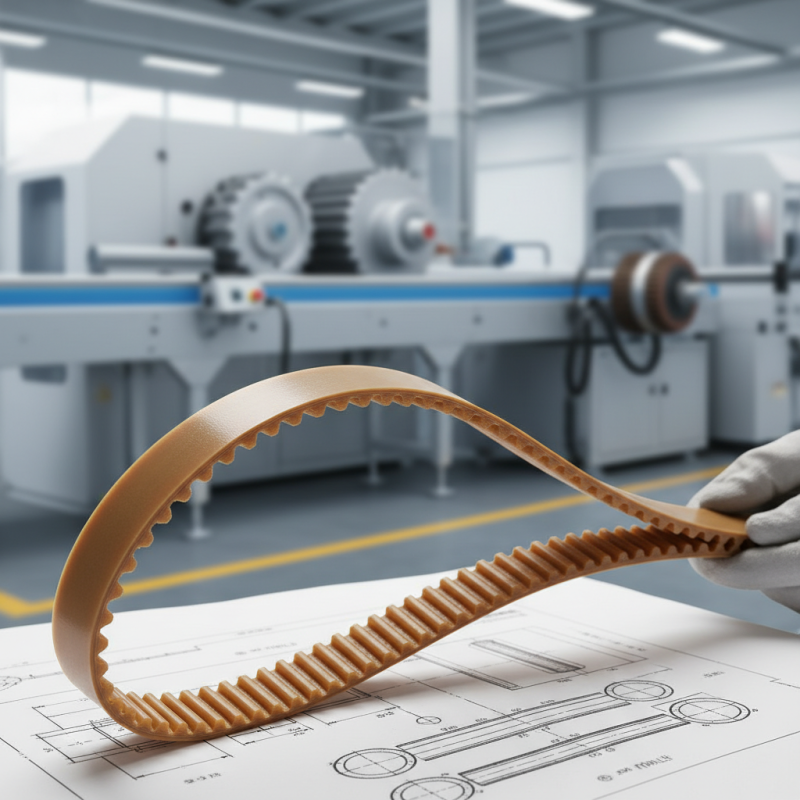
Best Polyurethane Timing Belts: Key Characteristics and Benefits
When selecting polyurethane timing belts for machinery, it’s vital to understand their key characteristics and benefits. These belts are known for their durability and flexibility. They can withstand extreme temperatures, making them suitable for varied environments. Plus, their resistance to wear and tear translates to longer service life. This durability is crucial for minimizing downtime in machinery operations.
Another significant advantage of polyurethane timing belts is their precision. They provide accurate movement and synchronous operation, which is essential in many applications. The belts are designed to reduce noise and vibration, fostering a smoother operation. This can lead to improved efficiency in machines that rely on mechanical timing.
Despite these benefits, users must consider potential challenges. The belts may require proper tensioning for optimal performance. Improper installation can lead to issues such as slippage or misalignment. Regular maintenance is also necessary to ensure these belts continue to perform at their best. Understanding both the advantages and the limitations is key to maximizing their effectiveness in your machinery.
Best Polyurethane Timing Belts for Your Machinery Needs
| Model | Width (mm) | Length (mm) | Tooth Count | Temperature Range (°C) | Tensile Strength (N/mm²) | Chemical Resistance |
| Belt A | 15 | 2000 | 40 | -30 to 80 | 25 | Good |
| Belt B | 10 | 1500 | 30 | -20 to 75 | 20 | Excellent |
| Belt C | 20 | 2500 | 50 | -40 to 90 | 30 | Good |
| Belt D | 25 | 3000 | 60 | -20 to 85 | 40 | Excellent |
Applications of Polyurethane Timing Belts in Various Industries
Polyurethane timing belts are becoming essential in various industries due to their versatility and durability. These belts are used in manufacturing, transportation, and food processing sectors. Their resistance to wear and tear makes them ideal for high-load applications. A report by The Freedonia Group indicates that the global timing belt market is projected to grow at an annual rate of 4.7% between 2021 and 2026.
In manufacturing, polyurethane timing belts support automated machinery. They reduce vibrations, ensuring smooth operation. The automotive sector also benefits from these belts in engine timing systems. According to a study by MarketsandMarkets, the demand for timing belts in automotive applications is expected to reach over 1 billion units by 2025. However, precision and maintenance are key. Misalignment can cause premature wear, reducing efficiency.
The food processing industry increasingly relies on these belts for conveying products. Their resistance to chemicals makes them suitable for handling food items. For instance, a report from Grand View Research highlights that the food processing equipment market will exceed $100 billion by 2027. Despite their advantages, users must regularly inspect and adjust tension. Oversights can lead to product contamination or equipment failure. Reliable operation depends on proper care.
Comparative Analysis of Polyurethane vs. Rubber Timing Belts
When considering timing belts for machinery, the choice between polyurethane and rubber can be pivotal. Polyurethane belts are known for their superior durability. They resist abrasion effectively and can withstand harsh chemicals. This makes them ideal for demanding environments. However, they can be more rigid, impacting flexibility in some applications.
On the other hand, rubber timing belts offer excellent elasticity. They provide a better grip and work well in less strenuous settings. Rubber is also quieter, which can be an advantage in noise-sensitive areas. Yet, rubber belts wear out faster under extreme conditions. This often leads to more frequent replacements, which can increase costs over time.
Both materials have distinct benefits and limitations. The right choice should be based on application specifics. It’s crucial to assess the working environment and the operational demands. Sometimes, a hybrid approach may even be necessary. Making a decision without careful consideration could lead to inefficiencies. It's essential to evaluate both options thoroughly.
Factors Influencing the Selection of Timing Belts for Machinery
When choosing the right timing belts for machinery, several key factors come into play. Material choice significantly impacts performance. Polyurethane timing belts are popular due to their durability and flexibility. Research indicates that polyurethane belts can last up to 50% longer than other materials in demanding environments. The right timing belt can drastically reduce maintenance costs and downtime.
Load capacity is another critical aspect. Timing belts must handle the required load without risk of failure. A study in the Machinery Efficiency Journal found that underestimating load can lead to frequent breakdowns and increased wear. Understanding the machinery's operational demands is essential for selecting an appropriate belt.
Furthermore, environmental conditions also influence belt choice. Exposure to chemicals, heat, and moisture can affect durability. Belts rated for high-temperature performance can withstand extreme conditions, protecting machinery integrity. Yet, many operators overlook these conditions. This oversight can lead to unexpected failures, highlighting the need for thorough assessment and informed selection.
Maintenance Practices for Enhancing the Lifespan of Timing Belts
Maintaining timing belts is crucial for optimal machinery performance. Proper care extends their lifespan, which is essential for efficiency. A study by the American Society of Mechanical Engineers (ASME) shows that preventive maintenance can increase the lifespan of timing belts by up to 50%. This is significant for reducing downtime and operational costs.
One effective practice is regular inspection. Damages such as cracks or fraying can indicate wear. Industry reports highlight that about 30% of timing belt failures are due to inadequate inspection and maintenance. Keeping belts clean and lubricated also promotes longevity. Contaminants can lead to premature wear, affecting performance.
Another vital aspect is adjusting tension. Over-tensioning can lead to rapid deterioration. Conversely, under-tensioning results in slippage. For longevity, follow manufacturer guidelines closely for tension settings. Regularly tracking the wear patterns can help in identifying issues early. These practices will not only enhance timing belt performance but also contribute to overall machinery reliability.