Why Choose PCB Assembly for Your Electronics Manufacturing Needs?
In the fast-evolving world of electronics, choosing the right manufacturing process is crucial. PCB assembly plays a vital role in this industry. John Doe, a renowned expert in electronics manufacturing, once stated, "Effective PCB assembly can streamline production and enhance product reliability." His insight emphasizes the importance of quality in the assembly process.
Many companies overlook the benefits of PCB assembly. They may focus solely on costs, sacrificing quality. However, the right assembly can directly impact the performance of electronic devices. For instance, precision in soldering ensures long-lasting connections. Poor assembly, on the other hand, can lead to increased repair rates and dissatisfied customers.
Investing in PCB assembly is not just a budget decision; it’s about reliability and expertise. The selection of components and techniques significantly affects the final product. Reflecting on these factors can reveal potential pitfalls in manufacturing. Adopting best practices in PCB assembly can elevate a company’s standing in a competitive market.
Understanding PCB Assembly: A Key Component of Electronics Manufacturing
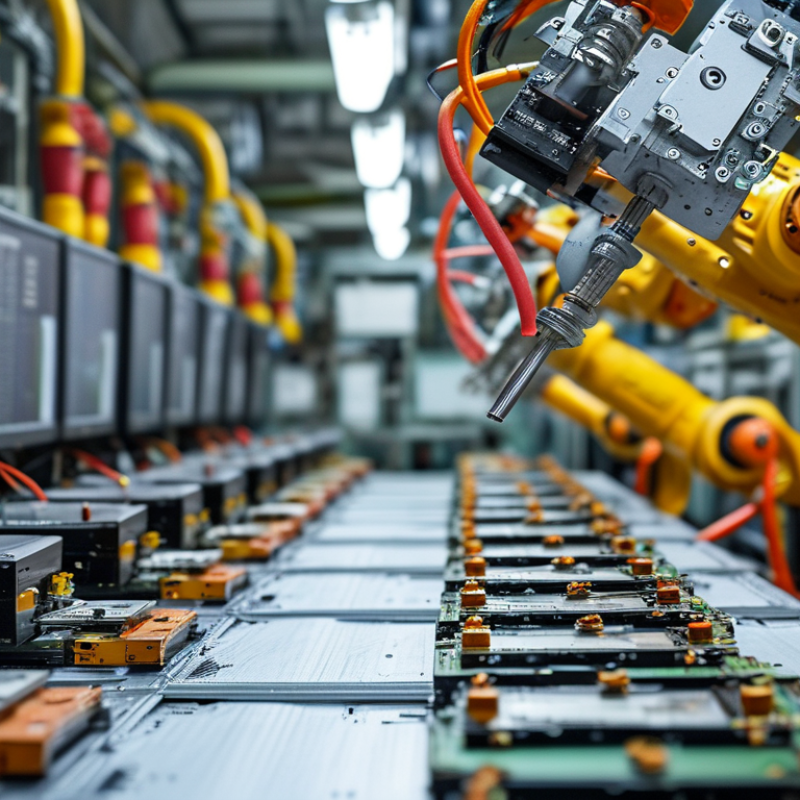
PCB assembly is a vital element of electronics manufacturing. It involves several complex processes that ensure the functionality and reliability of electronic devices. This assembly process includes soldering components onto a printed circuit board (PCB). Each connection must be precise to avoid future failures. Inadequate assembly can lead to costly product recalls or failures in the field.
The workflow of PCB assembly can be intricate. Manufacturers must choose from various assembly methods, including surface mount and through-hole techniques. Each method has its advantages and challenges. For example, surface mount technology allows for smaller designs but requires meticulous handling. Through-hole assembly, on the other hand, is more robust but can take up more space. Manufacturers must reflect on these choices carefully, as they impact the overall product integrity.
Understanding PCB assembly also involves recognizing quality control measures. Continuous testing and inspection are crucial in this process. The aim is to catch defects early, averting larger issues down the line. However, even with rigorous checks, some problems may still arise during production. Therefore, manufacturers must be prepared for unexpected challenges while maintaining a focus on quality and reliability.
Benefits of PCB Assembly in Reducing Production Costs and Time
PCB assembly offers various benefits, especially in cutting production costs and time. This process integrates multiple electronic components onto a single board, allowing manufacturers to streamline workflows. Fewer individual components mean shorter assembly times. This efficiency can lead to significant savings.
When components are placed on a PCB, precision is key. Modern assembly techniques ensure that even the tiniest parts are aligned perfectly. This precision helps reduce errors during production, which can often lead to costly reworks. However, achieving perfection takes time and experience. Manufacturers must continuously evaluate their processes for improvement.
Despite these advances, challenges remain. For instance, sourcing materials can be unpredictable. Variability in component supply can influence production schedules. Furthermore, rapid technological changes require agile adaptations in assembly techniques. Companies must stay updated on industry trends to maintain efficiency. Balancing cost, quality, and innovation is an ongoing challenge in PCB assembly for electronics manufacturing.
Why Choose PCB Assembly for Your Electronics Manufacturing Needs?
| Benefit |
Description |
Impact on Production |
| Reduced Costs |
PCB assembly minimizes labor and material costs due to optimized processes. |
Lower production expenses lead to higher profit margins. |
| Faster Production Times |
Automated assembly lines increase the speed of production significantly. |
Quicker time-to-market for new products. |
| High Precision |
Advanced machinery ensures high accuracy in component placement. |
Reduces error rates and enhances product reliability. |
| Scalability |
Easily scalable production processes to meet varying demand levels. |
Flexibility to adapt to market changes. |
| Quality Assurance |
Rigorous testing procedures ensure high-quality standards. |
Increased customer satisfaction and fewer returns. |
Quality Assurance in PCB Assembly: Ensuring Reliable Electronics
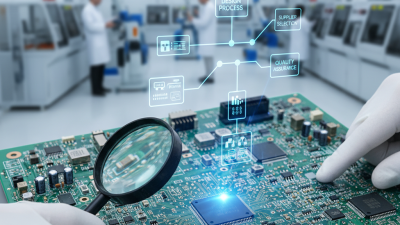
Quality assurance is crucial in PCB assembly. It acts as a safeguard for reliable electronics. Ensuring that each component meets rigorous standards is essential. A thorough inspection process helps identify potential defects early. This proactive approach prevents costly errors later.
Dedicated professionals often carry out quality checks. They use advanced tools for detailed analysis. However, this process isn't perfect. Sometimes, minor issues slip through. Continuous improvement is necessary to address these gaps. Valuable feedback from these experiences helps refine procedures over time.
Another key aspect is testing methodologies. Different techniques provide insights into product reliability. Thermal cycling and electrical testing are common. Each method reveals specific weaknesses in design or assembly. Organizations must stay adaptable to new challenges. The commitment to quality is an ongoing journey, not a destination.
Technological Advancements in PCB Assembly Processes and Techniques
Technological advancements in PCB assembly have reshaped the landscape of electronics manufacturing. Innovations in automation and precision soldering techniques have significantly improved efficiency. According to a 2022 IPC report, nearly 75% of manufacturers have adopted automated assembly processes, resulting in a 30% reduction in production time. This efficiency boosts production capacity while minimizing human error.
Data transfer speeds have also improved, as PCB assembly techniques utilize advanced materials and components. High-density interconnect (HDI) technology, for instance, allows for more complex circuits in a smaller footprint. This tech not only enhances circuit performance but also leads to a reduction in board sizes. As a result, devices are becoming lighter and more portable, appealing to tech-savvy consumers.
When considering PCB assembly options, it's essential to evaluate your specific project needs. Assess your design's complexity and production volume. Sometimes, scaling down can lead to underestimation of necessary resources. Pay attention to the compatibility of materials used in the assembly process to avoid costly reworks. Investing time in detailed planning can save money in the long run.
Selecting the Right PCB Assembly Partner for Your Manufacturing Needs
Choosing the right PCB assembly partner is crucial for successful electronics manufacturing. A well-chosen partner can significantly impact production efficiency and product quality. In a recent report by the IPC, 70% of manufacturers noted that their assembly partner's expertise directly influenced their time to market. This illustrates how important it is to select a partner who understands the complexities of your product.
When evaluating potential partners, consider their experience and track record. Data from a survey by Gartner highlighted that 68% of companies value a partner’s industry knowledge. Look for partners who have worked with similar projects. Their insights can help navigate challenges, particularly in design for manufacturability.
Moreover, reliability plays a key role. A report from the International Electronics Manufacturing Initiative found that 60% of production delays stem from assembly-related issues. Engaging a partner with robust quality control processes is essential to minimize risks. Reflect on your requirements and be ready to ask tough questions.
Is their approach to prototyping effective? Do they have certifications to validate their quality? These details matter and can steer your decision toward a reliable PCB assembly partner.