How to Choose the Best Thermoforming Packaging Machine?
Selecting the right Thermoforming Packaging Machine can significantly impact your packaging operations. The machine’s efficiency, flexibility, and quality are crucial factors. Finding the best option requires careful consideration and expertise.
Consider the materials you will use. Different thermoforming machines handle various materials differently. The choice of materials can affect production speed and quality. Additionally, think about the machine's capacity. A low-capacity machine might not meet high demand, leading to bottlenecks.
Investing in a Thermoforming Packaging Machine means more than just purchasing equipment. It’s essential to assess the supplier’s reliability and after-sales support. A reputable supplier provides good service and maintenance options. Reflecting on these aspects can lead to a more informed decision. Inadequate research could result in costly mistakes or unsatisfactory results. Prioritize your needs and choose wisely.
Understanding Thermoforming Packaging Machines
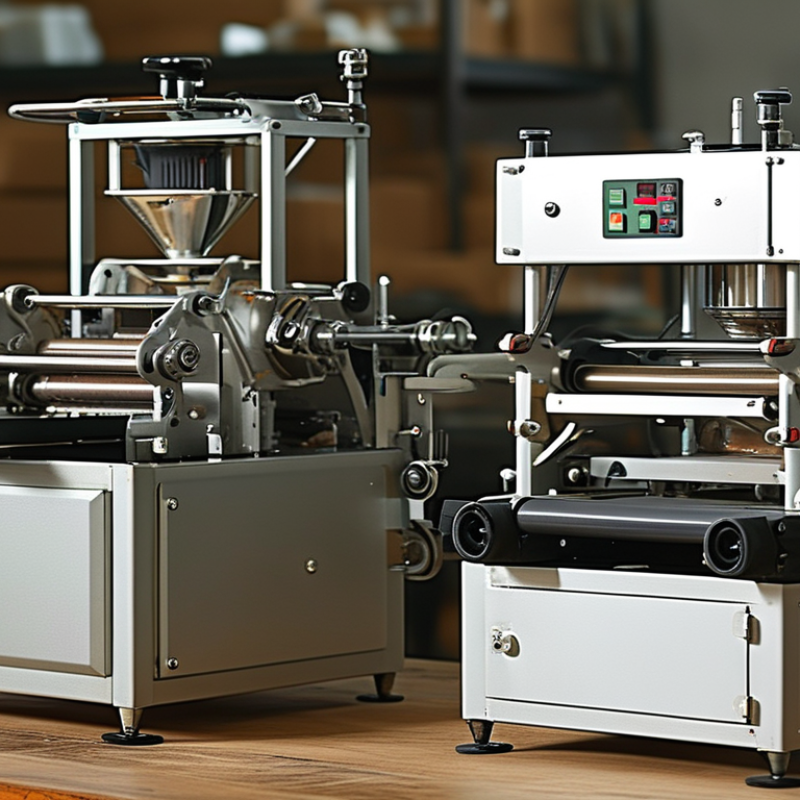
Understanding thermoforming packaging machines is essential for optimizing production efficiency and product presentation. These machines heat plastic sheets until soft, then mold them into customized shapes. According to a report by MarketsandMarkets, the thermoforming market is projected to reach $11.7 billion by 2025. This growth emphasizes the importance of selecting the right machine for specific needs.
When choosing a thermoforming machine, consider material compatibility. Not all machines work with every plastic type. Conduct trials to ensure the selected machine suits your production requirements. Quality assurance is vital, as a small defect can affect the entire batch.
**Tip:** Assess the machine's energy consumption. High energy efficiency can lead to significant cost savings over time.
It's also important to research suppliers thoroughly. Evaluate their warranties and technical support. Customer reviews can offer insights into reliability and performance. Remember, investing in a high-quality machine can enhance production while minimizing downtime.
**Tip:** Always analyze the total cost of ownership, rather than just the upfront price. This approach will help in making a more informed decision.
Thermoforming packaging can elevate product visibility. Making the right choice may necessitate time and effort, but the benefits are far-reaching.
How to Choose the Best Thermoforming Packaging Machine?
| Feature | Description | Importance |
| Machine Type | Types include roll-fed, sheet-fed, and in-line. | Crucial for specific production needs. |
| Production Speed | Measured in cycles per minute (CPM), affects output. | Important for meeting demand. |
| Material Compatibility | Supports various materials like PET, PP, PVC. | Essential for product variety. |
| Cost | Initial investment, operational, and maintenance costs. | Determines return on investment. |
| Ease of Operation | User-friendly controls and automation features. | Affects labor costs and productivity. |
| Size and Footprint | Physical space requirements for installation. | Important for facility layout. |
| Support and Service | Availability of technical support and spare parts. | Critical for minimizing downtime. |
Key Factors to Consider in Selection
When selecting a thermoforming packaging machine, it’s crucial to consider several key factors. The type of materials available should be the starting point. Different materials require specific machinery capabilities. If your product needs strong, durable packaging, the machine must accommodate that. A mismatch can lead to product spoilage or increased costs.
Another vital aspect is machine speed. Production needs vary widely. A slower machine might suffice for small batches, but high-volume operations need speed. Evaluating your production goals against machine specifications is essential. The flexibility of the machine also plays a role. Can it adapt to different product sizes or styles? This adaptability can significantly affect your operational efficiency.
Maintenance requirements are often overlooked. A reliable machine should have easy access for repairs and regular upkeep. Downtime can cost you money and disrupt operations. Ensure you consider service support and spare parts availability. Investing in a machine that offers good post-purchase support can save you issues down the line. Remember, it's not just about the initial cost; it’s about long-term reliability.
Types of Thermoforming Machines Available
When it comes to thermoforming packaging machines, understanding the different types available is crucial. There are three main categories: vacuum forming, pressure forming, and twin-sheet forming. Each type serves specific purposes and offers distinct advantages.
Vacuum forming is the most common technique. It's ideal for creating simple shapes and is often used for food containers and cosmetic packaging. This method is cost-effective and suitable for small production runs. However, its limitations in achieving complex geometries can be a drawback.
Pressure forming, on the other hand, allows for more detailed designs. It utilizes air pressure to shape the material, resulting in sharper details and higher quality finishes. This technique is frequently used in the automotive and medical industries. However, the increased complexity and cost may limit its use for smaller businesses.
Twin-sheet forming combines two sheets of material and molds them together. This offers superior strength and insulation, but the machinery is typically more expensive and requires more space.
Each option has its merits and challenges, making it essential to evaluate needs before making a decision.
Evaluating Production Requirements and Capabilities
When evaluating production requirements for thermoforming packaging machines, several factors should be considered. The speed of production is crucial. A machine with higher output can significantly reduce labor costs and time. Recent industry reports indicate that advanced machines can produce up to 1,200 units per hour, a highlight for companies aiming for efficiency.
Material versatility also plays a vital role in the selection process. Machines capable of handling various materials, including biodegradable options, are becoming increasingly important. This shift aligns with customer demands for sustainable practices. Additionally, the ease of operation is critical. User-friendly interfaces can mitigate training time, allowing operators to learn quickly, which is often overlooked.
It's essential to evaluate maintenance needs. Even well-established machines require periodic checks. Neglecting this aspect can lead to costly downtimes. In one study, it was found that 30% of manufacturers experienced at least a week of downtime annually due to equipment malfunctions. Balancing production speed with reliability is a complex challenge. The right machine should fit both immediate and future production goals.
Cost Considerations and Budgeting for Purchase
When considering the purchase of a thermoforming packaging machine, cost is crucial. Prices vary significantly based on features and capabilities. Basic machines may cost less, but may lack advanced functions that enhance productivity. Higher-end models offer better efficiency and durability. Analyzing total costs, including maintenance and energy consumption, is essential.
Budgeting requires careful thought. Initial outlay is just one aspect. Training staff and integrating the machine into existing operations adds to expenses. Look closely at warranty options. A more expensive machine may offer better support, which can save money in the long term. Research financing or leasing options for flexibility.
Consider your production volume. If you have seasonal spikes, a scalable solution is vital. This way, you won't overspend on capacity you don't use year-round. Weigh the benefits of investing in automation versus manual processes. Errors in budgeting can lead to challenges down the line, affecting overall business performance.