How to Choose the Right Air Muffler Silencer for Your Needs?
Choosing the right Air Muffler Silencer is crucial for various applications. According to John Smith, an expert in acoustic engineering, “A well-chosen muffler can reduce noise significantly.” Selecting the appropriate silencer is not just about noise reduction; it also influences performance and safety.
When examining options, consider the specific requirements of your environment. For instance, industrial settings often demand different specifications compared to residential areas. Each silencer varies in material, design, and effectiveness. Assessing these factors can be overwhelming. Many people fail to consider their unique needs. This oversight can lead to purchasing an ineffective Air Muffler Silencer.
Take the time to research and consult with professionals. Their insights can guide you in making a more informed decision. Remember, the right choice enhances overall efficiency while minimizing noise pollution. A hasty decision may save time initially but could result in costly replacements later. Prioritizing your selection process pays off in the long run.
Understanding Air Mufflers: Definition and Functionality
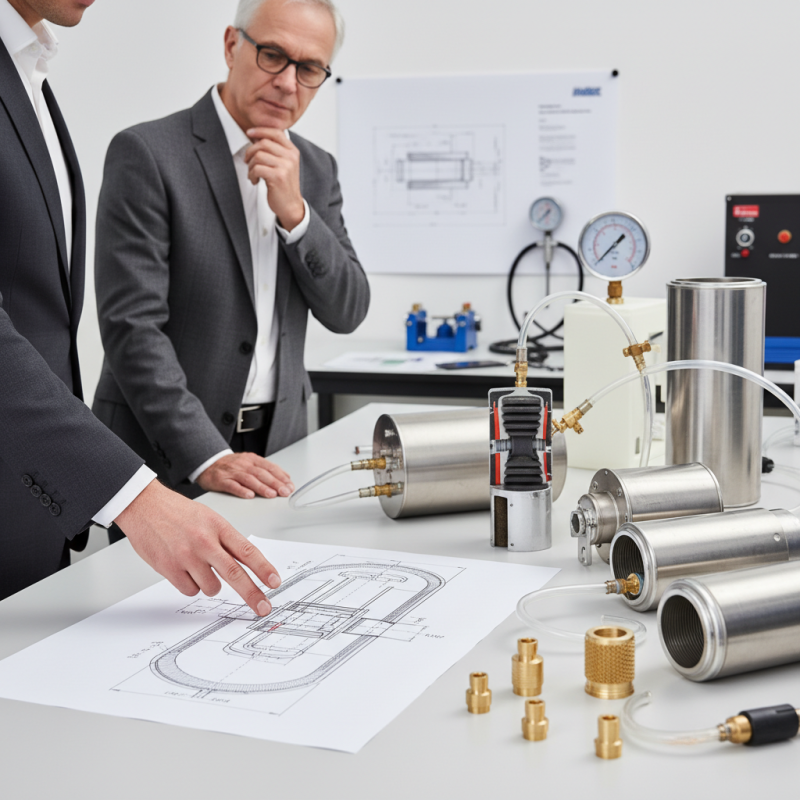
Air mufflers are crucial for reducing noise in various applications. They work by dissipating sound waves. This functionality allows for a quieter environment in factories, homes, or any noise-sensitive areas. A well-chosen air muffler can significantly reduce operating noise levels.
When selecting an air muffler, consider the type of equipment. Different machines produce unique sound frequencies. Some mufflers target specific frequencies better than others. You may need to experiment with various options. This trial-and-error process can be frustrating, and it’s vital to evaluate each choice carefully.
Tips: Always check the decibel reduction ratings. This will guide your decision. Understanding the installation requirements is also essential. Accurate fitting ensures maximum noise reduction. Don’t overlook your specific noise control needs. A mismatch can lead to poor performance, and your environment may still be too loud.
Factors to Consider When Selecting an Air Muffler Silencer
When selecting an air muffler silencer, several factors are essential to ensure you meet your needs. Firstly, consider the noise reduction level. Different environments require different decibel ratings. You may need a high-performance silencer for industrial settings, while residential use may allow for lower ratings. Assess the type of machinery as well. Certain mufflers work better with specific equipment, affecting their efficiency.
Material is another aspect to think about. Common materials include steel and aluminum. Steel provides durability, while aluminum offers lighter construction. Depending on where you install the muffler, one may serve you better than the other. Don't overlook the installation process. Some silencers are easier to install than others. It could save time and effort.
Tips: Always check compatibility with your existing systems before purchase. Take the time to read user reviews. They offer real-world insights. Visiting forums can also provide helpful information. Ask about common issues others faced. Reflect on your specific needs. Each situation is unique, and a one-size-fits-all solution may not apply. Think carefully about your requirements before making a final decision.
Types of Air Mufflers: Pros and Cons of Each Style
Choosing the right air muffler silencer can be daunting. There are many types available, each with specific benefits and limitations. Understanding these can help you make a more informed choice.
Straight-through mufflers are popular for their efficiency. They minimize back pressure, allowing for better airflow. However, they can be noisy, which may not suit every environment. Some users find the sound overwhelming. A balance is crucial.
On the other hand, chambered mufflers dampen noise effectively but may restrict airflow. This design is excellent for quiet operations but can lead to performance issues in high-demand situations. Users often need to weigh noise reduction against potential power loss. Reflecting on your unique requirements will guide your decision more than any brand name.
Assessing Noise Reduction Needs for Specific Applications
When selecting an air muffler silencer, it’s crucial to assess your specific noise reduction needs. Different applications can produce varied noise levels. For instance, industrial environments may exceed 100 dB, while residential spaces typically aim for levels below 60 dB. According to a recent industry report, more than 80% of workers in high-noise areas experience hearing loss without proper protection. This data highlights the importance of effective silencers.
Understanding the type of noise is essential. Excessive high-frequency sounds can be more harmful. Research shows that mufflers that target these frequencies can reduce noise by up to 30 dB. In contrast, low-frequency noises are harder to manage. For instance, a poorly designed muffler could fail to deliver the expected results in such environments.
Choosing the right material also plays a role. Some silencers use metal, while others utilize composite materials for better absorption. A recent study indicated that acoustic foam can reduce sound by approximately 25% in certain applications. However, it’s important to note that not all materials perform equally in all situations. Performance can vary based on installation and environmental conditions. Thus, careful consideration is needed.
Installation and Maintenance Tips for Air Muffler Silencers
When installing an air muffler silencer, choose the correct size and type for your system. This is important for optimal performance. A snug fit reduces leaks and improves efficiency. Check the installation manual for specific guidelines. If it's unclear, consult an expert. The right fit can make a noticeable difference.
Maintenance is crucial for longevity. Regularly inspect for signs of wear or damage. Dust and debris may accumulate over time, affecting performance. Cleaning these parts can increase efficiency. Don't neglect gaskets and seals; they may need replacement too. A little effort here saves big problems later.
While some might skip maintenance, it can lead to bigger issues down the line. Be aware of how often you use the system. Frequent use means more wear. Document any irregular sounds or issues to track patterns. This helps in proactive care and avoids costly repairs. Understanding your muffler silencer's needs can ultimately lead to better performance.
How to Choose the Right Air Muffler Silencer for Your Needs? - Installation and Maintenance Tips for Air Muffler Silencers
| Dimension | Measurement | Material Type | Noise Reduction Level | Installation Difficulty |
| Length | 12 inches | Steel | 20 dB | Medium |
| Diameter | 4 inches | Aluminum | 25 dB | Easy |
| Height | 10 inches | Plastic | 15 dB | Hard |
| Weight | 3 lbs | Stainless Steel | 30 dB | Medium |
| Connection Type | Threaded | Carbon Steel | 10 dB | Easy |