What is a flexible PCB and its applications in electronics?
Flexible PCBs (Printed Circuit Boards) are transforming the electronics industry. These innovative circuits allow for lightweight and compact designs, essential in today's technology. According to the market research firm Mordor Intelligence, the global flexible PCB market is projected to reach USD 22.43 billion by 2027. This growth underscores a rising trend toward miniaturization and efficiency in electronic devices.
Expert Dr. Linda Collins notes, “Flexible PCBs are crucial for the advancement of modern electronics.” Her insight reflects the reality that these components enable unique applications, from wearables to aerospace. However, the manufacturing process still faces challenges, including material limitations and production costs. Companies must navigate these issues to realize the full potential of flexible PCBs.
In addition, the demand for durable and efficient designs must be balanced with environmental considerations. As the industry evolves, challenges persist. A need for sustainable materials and processes is evident. Addressing these aspects will shape the future landscape of flexible PCB technology.

Definition and Structure of Flexible PCBs
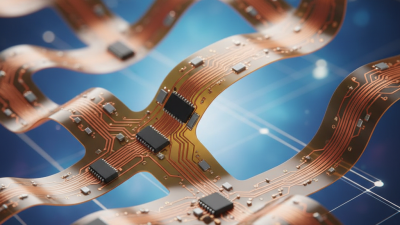
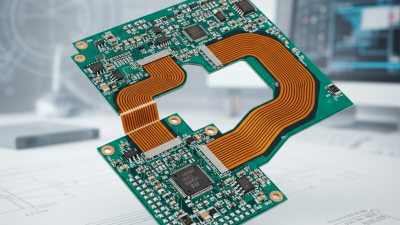
Flexible printed circuit boards (PCBs) are an innovative solution in electronics. Their structure allows for bending, twisting, and folding without losing functionality. This flexibility is achieved through the use of thin substrates made from materials like polyimide. Thin copper layers are printed onto this substrate, forming intricate electrical circuits. This design promotes space-saving and lightweight options in various electronic devices.
The construction of flexible PCBs often presents unique challenges. Precise manufacturing is crucial; even small errors can lead to failures. Engineers must balance flexibility with durability. They must choose materials wisely and ensure proper alignment during the printing process. Additionally, flexible PCBs can suffer from mechanical stress over time. Understanding this trade-off is vital for long-term reliability in applications.
Flexible PCBs find their place in numerous devices. They are widely used in smartphones, medical devices, and wearables. Their high-density design caters to compact spaces, which is essential in modern technology. However, their adaptability to harsh conditions, like temperature fluctuations, requires further investigation. This aspect is still open for improvement, providing an opportunity for advancements in this domain.
Advantages of Flexible PCBs Compared to Rigid PCBs
Flexible printed circuit boards (PCBs) have revolutionized the electronics industry. They offer numerous advantages over traditional rigid PCBs. One significant benefit is their ability to bend and fit into tight spaces. This adaptability allows for innovative designs in various applications, including smartphones and wearable devices.
Moreover, flexible PCBs can withstand repeated flexing. This characteristic reduces mechanical stress and enhances durability. Unlike rigid counterparts, they can efficiently connect different components without strain. This connectivity can lead to more compact and lightweight designs. In sectors like medical devices, where space is critical, flexible PCBs shine.
On the downside, manufacturing flexible PCBs can be more complex. The production process requires specialized techniques and materials. This complexity might lead to higher costs. Engineers must carefully consider the trade-offs between flexibility and expense. Despite these challenges, the potential for creativity in design remains a driving force in their use.
Common Applications of Flexible PCBs in Consumer Electronics
Flexible PCBs are revolutionizing consumer electronics. They are lightweight and can bend, making them perfect for small devices. These circuits fit easily into tight spaces that traditional rigid boards cannot access. As a result, manufacturers can create more compact products.
One common application is in smartphones. Their screens need to curve and fold, allowing for innovative designs. Flexible PCBs support the touch and display functions seamlessly. Another area is wearables—smartwatches and fitness trackers often use them. These devices require flexibility to conform to the wrist comfortably.
Even in home appliances, flexible PCBs have a role. They can be found in smart appliances that connect to the internet. Their ability to withstand high temperatures and humidity is essential for kitchen devices. However, there are challenges. The manufacturing process can be complex, and quality control may vary. This sometimes leads to reliability issues. Designers must consider these factors when integrating flexible PCBs into their products. Balancing innovation and practicality is crucial.
Innovative Uses of Flexible PCBs in Medical Devices
Flexible PCBs have gained popularity in the medical field. Their design allows for intricate layouts in compact spaces. According to a report by Research and Markets, the global flexible PCB market is expected to reach $40 billion by 2026. This growth is driven by the demand for advanced medical devices, including wearables and monitoring systems.
In devices like heart rate monitors, flexible PCBs enable seamless integration. They can conform to the body's contours, making them comfortable to wear. This aspect is crucial for patient compliance. Yet, there are challenges. The manufacturing process can introduce variability. Ensuring quality control is essential but sometimes overlooked.
Moreover, the complexity of flexible PCBs can lead to design errors. Engineers must pay meticulous attention to detail. Designs must accommodate not just flexibility but also durability. A report from MarketsandMarkets highlights a projected CAGR of 12% for flexible circuits to 2025. This indicates a growing reliance on flexible PCBs, but also a need for robust quality assurance measures. The medical field showcases this technology's potential while reminding us of the hurdles that remain.
Future Trends and Developments in Flexible PCB Technology
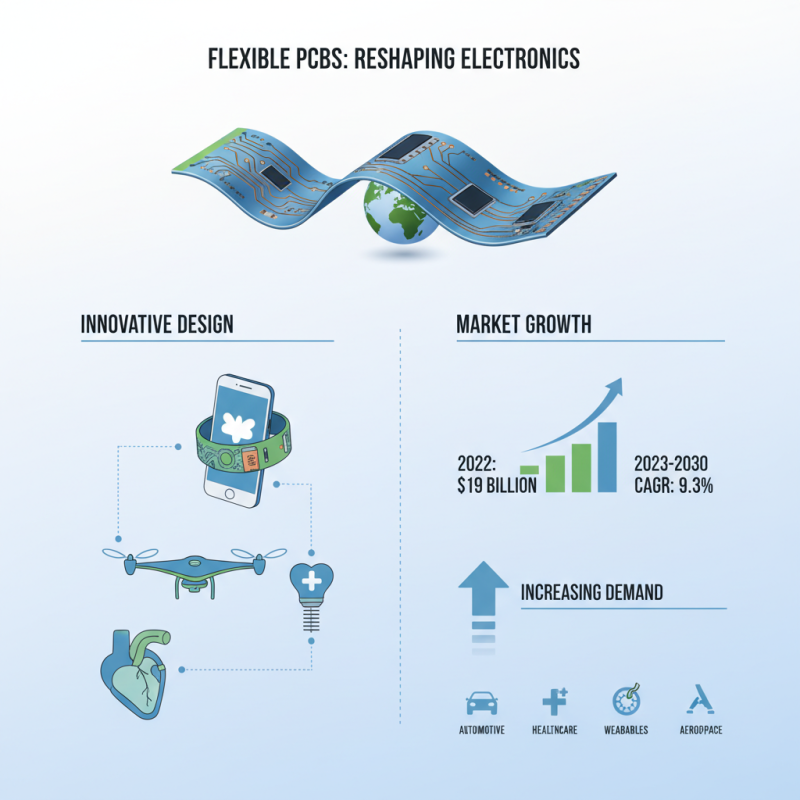
Flexible PCBs, or printed circuit boards, are reshaping electronics. Their lightweight and bendable nature allows for innovative designs. In 2022, the global flexible PCB market was valued at approximately $19 billion, with a projected compound annual growth rate (CAGR) of 9.3% from 2023 to 2030. These statistics reveal the increasing demand for flexible designs in various applications.
The rapid advance in manufacturing technologies drives this growth. Emerging techniques, like 3D printing and enhanced materials, enable more complex circuits. However, challenges remain. The longevity of flexible PCBs is still under scrutiny, especially in high-stress environments. Reports show that over 35% of industry experts express concerns about reliability. As technology evolves, addressing these issues will be vital.
Applications continue to expand across fields such as wearables, automotive, and medical devices. For example, flexible PCBs in wearable devices enhance comfort and user experience. Still, the industry must consider potential limitations in flexibility and durability. Balancing innovation with reliability may lead to a more sustainable future for flexible PCB technology.