What is a Gate Valve and How Does it Work?
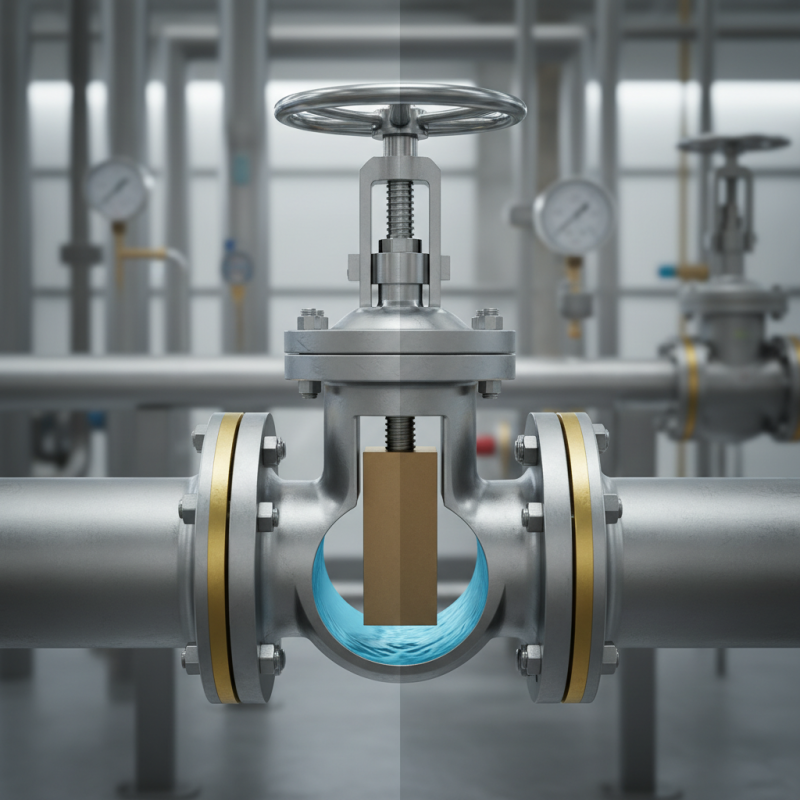
A Gate Valve is an essential component in many piping systems. It is designed to allow or prevent fluid flow. This type of valve operates by lifting a rectangular gate out of the fluid path. When the gate is fully opened, the fluid moves freely. When closed, it creates a tight seal.
Understanding how a Gate Valve works is crucial for effective system management. It is often used in applications where the flow needs to be controlled. However, it is not ideal for regulating flow. Misuse or improper installation can lead to issues. Sometimes, operators may forget to check the valve regularly. Neglect can result in leaks or valve failure.
Many industries rely on Gate Valves for their reliability. But not all places need them. In high-frequency flow applications, they may not perform well. Users must consider their specific needs. Knowing the functions and limitations of a Gate Valve can enhance operational safety.
What is a Gate Valve? Definition and Applications in Various Industries
Gate valves play a crucial role in various industries. They are designed to control the flow of liquids and gases. The mechanism of a gate valve involves a wedge-shaped metal gate. When the valve is open, the gate is fully lifted, allowing for unobstructed flow. This design minimizes pressure loss.
Applications of gate valves are vast. You can find them in water treatment plants, oil and gas pipelines, and manufacturing facilities. They are particularly useful in on/off services. Their ability to provide a tight seal makes them ideal for preventing leakage. However, gate valves are not suitable for throttling applications.
Despite their strengths, gate valves have limitations. They can be slow to operate. Sometimes, the gate may become stuck, which can be frustrating. Regular maintenance is essential to prevent these issues. It's important to consider these factors when choosing a valve for your needs. Understanding these aspects will help in making informed decisions.
The Anatomy of a Gate Valve: Key Components and Their Functions
A gate valve is essential in many piping systems. Understanding its anatomy helps explain its function. Key components include the body, bonnet, stem, and disc. Each part plays a crucial role in how the valve operates.
The body contains the fluid and is typically made from durable materials. The bonnet connects the body and provides access for maintenance. The stem moves the disc up and down, controlling flow. When the disc is lowered, it seals the flow. However, a poorly adjusted stem can lead to leaks.
The disc is often flat or wedge-shaped. Its design helps create a tight seal. This can be a simple yet effective way to manage flow. However, over time, wear and tear are common. Regular inspections are needed to ensure functionality. Gate valves might fail when left unchecked. Being aware of these details helps in proper maintenance and operation.
How Gate Valves Operate: Mechanism and Flow Control Explained
Gate valves are crucial components in fluid control systems. They operate by lifting a gate or wedge out of the path of the fluid. This design allows for a straight-line flow of fluid with minimal resistance. When the valve is fully open, the flow rate is at its maximum. Conversely, when it's closed, the gate seals against the valve seat, preventing any fluid from passing through. This mechanism is effective for on/off control but not for regulating flow.
Tip: Always ensure gate valves are fully open or closed. Partial openings can cause damage over time.
Maintenance is vital for the efficient operation of gate valves. Regular inspections help identify leaks or wear. If a valve shows signs of corrosion, it may require immediate attention. Neglecting these issues can lead to larger system failures.
Tip: A little rust can lead to big problems. Keep an eye out for any discoloration on the valve.
Gate valves can sometimes malfunction. This could stem from lack of lubrication or debris caught in the mechanism. A stuck valve may cause frustration. Don't force it; rather, assess the situation carefully before taking action.
Advantages and Disadvantages of Using Gate Valves in Piping Systems
Gate valves play a crucial role in piping systems. They are designed to allow or block the flow of fluids. Their simple structure makes them easy to use and maintain. However, there are both advantages and disadvantages to consider.
One main advantage is the low pressure drop when fully open. This means fluids can flow freely, which is vital in many systems. Gate valves also offer excellent sealing capabilities when closed. They generally have a long lifespan and require minimal maintenance. However, they can't be used for throttling. This may lead to issues if some level of control is needed.
A notable disadvantage is that gate valves can be slow to operate. It may take time to fully open or close them. Additionally, they are not ideal for frequent cycling. Frequent use could lead to wear and reduce their effectiveness.
**Tips:** Always install gate valves in locations where they won’t be operated often. Regular inspections can also help in identifying early wear. Consider the flow requirements of your system before choosing a gate valve.
What is a Gate Valve and How Does it Work? - Advantages and Disadvantages of Using Gate Valves in Piping Systems
| Feature | Details |
| Definition | A gate valve is a type of valve used to control the flow of liquid or gas in a piping system by raising or lowering a gate. |
| Working Principle | The valve operates by lifting a rectangular or circular gate out of the path of the fluid and allowing it to flow. |
| Advantages | 1. Minimal flow resistance when fully open
2. Suitable for on/off service
3. Provides a tight seal when closed |
| Disadvantages | 1. Not suitable for throttling or flow regulation
2. Slower operation compared to other valves
3. More difficult to repair |
| Common Materials | Typically made from cast iron, stainless steel, or bronze, catering to various applications and environmental requirements. |
| Applications | Used in water supply, oil and gas pipelines, and chemical processing installations. |
Industry Standards and Materials for Gate Valve Manufacturing and Testing
Gate valves play a critical role in controlling fluid flow in various industries. When discussing industry standards, it's essential to note that these standards guide valve design, manufacturing, and testing processes. Organizations such as the American National Standards Institute (ANSI) and ASTM International provide benchmarks for quality and performance.
The materials used in gate valve construction are equally crucial. Common choices include stainless steel, brass, and cast iron. Each material has unique properties suited for specific environments. For instance, stainless steel is resistant to corrosion. However, it can be expensive. On the other hand, cast iron valves are more affordable but may not perform well in corrosive settings. Proper material selection can prevent future issues.
Testing is a vital part of gate valve production. Manufacturers use pressure testing to ensure the valve can withstand operational demands. However, not all tests are perfect. Some manufacturing processes can lead to imperfections that might go unnoticed. This can be problematic in critical applications. Regular audits and checks can help improve quality assurance, although they are sometimes overlooked.