Ultimate Guide to Choosing the Right Electrical Enclosure Box?
Choosing the right Electrical enclosure box is crucial for any electrical project. A well-designed enclosure protects sensitive equipment from environmental factors. According to industry reports, improper enclosure choices can lead to equipment failure in 30% of cases. This highlights the importance of understanding various enclosure types and their specific applications.
Electrical enclosure boxes come in various materials and designs. Understanding your project’s requirements is essential. For instance, a fiberglass enclosure is ideal for corrosive environments, while metal boxes can offer better durability in harsh conditions. However, the number of available options can be overwhelming. Many professionals make decisions based on initial cost rather than long-term benefits.
It’s essential to consider factors such as climate, equipment type, and installation location. Current studies suggest that 65% of projects underperform due to inadequate enclosure selection. Missteps in this area reflect the need for careful planning and review. Making informed choices can significantly enhance the reliability and longevity of electrical systems.
Understanding Electrical Enclosure Boxes: Types and Functions
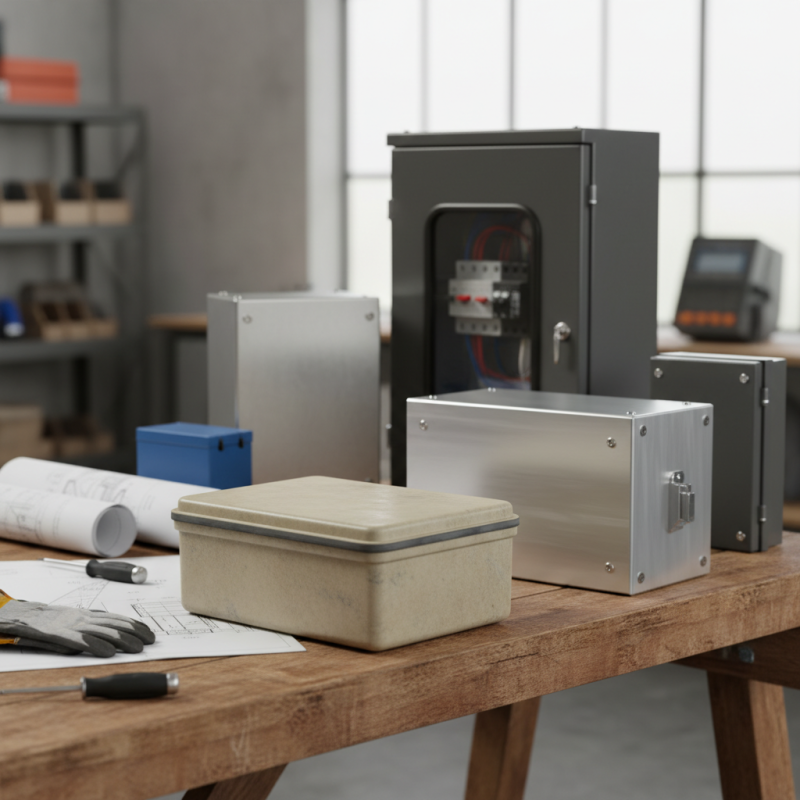
When selecting an electrical enclosure box, understanding its types and functions is crucial. Enclosure boxes primarily serve to protect electrical components from external factors. Common types include metal, plastic, and fiberglass enclosures. Each has distinct properties that suit various applications. Metal enclosures are robust and ideal for outdoor use. Plastic options are lightweight and corrosion-resistant, while fiberglass provides durability in harsh environments.
Functionally, an enclosure box must ensure safety and compliance with electrical regulations. Some designs offer moisture protection, dust resistance, and impact resistance. However, choosing the wrong type can lead to failures. For example, using a plastic box in a high-temperature area might compromise its integrity. Many users overlook installation specifics, resulting in inadequate protection.
Reflecting on these choices often reveals gaps in knowledge. Users might select an enclosure based solely on cost, without considering the environment and application. Understanding the nuances of material properties and environmental factors can lead to more informed decisions. Each application demands careful consideration of these details to achieve reliability and performance in electrical systems.
Key Factors to Consider When Choosing an Electrical Enclosure
When selecting an electrical enclosure box, consider several key factors to ensure the right fit for your needs. The first aspect is the material. Different environments demand specific materials. For example, stainless steel enclosures resist corrosion well, making them perfect for outdoor use. On the other hand, plastic enclosures are lighter and often used in less harsh settings. The environment largely dictates your choice.
Size matters significantly as well. An enclosure must provide adequate space for all components. Overcrowding can lead to overheating. Conversely, too much unused space may waste resources. Be mindful, too, of the ingress protection (IP) rating. This rating indicates the enclosure's ability to keep out dust and moisture. A higher rating offers better protection, but may not always be necessary for your application.
Don't overlook ventilation requirements. Some equipment generates heat and needs airflow. Poor ventilation can cause premature failure. While cost is generally a consideration, it shouldn't be the sole factor. Sometimes, paying a bit more up front saves money long term by preventing equipment damage. Reflect on these aspects, as the right enclosure can significantly impact your project's success.
Material Options for Electrical Enclosure Boxes: Pros and Cons
When selecting an electrical enclosure box, the material is crucial. Each option has unique attributes, influencing durability, cost, and applications. Plastic boxes are lightweight and corrosion-resistant. They are ideal for indoor use but may not withstand harsh environments. Metal enclosures, on the other hand, offer robust protection. They excel in outdoor settings, shielding from moisture and physical damage. However, metal can be heavier and more expensive than plastic.
Consider fiberglass as another choice. It combines the benefits of plastic and metal, providing resistance to various environmental factors. Fiberglass is non-conductive, making it safe for sensitive equipment. Yet, it may be less available and more costly than other materials. Each option presents advantages and challenges, which require thoughtful evaluation. Do you prioritize weight, durability, or cost? Making the right choice requires assessing your specific needs while reflecting on any potential shortcomings of each material.
Ultimate Guide to Choosing the Right Electrical Enclosure Box
IP Ratings and Their Importance in Enclosure Selection
When selecting an electrical enclosure box, understanding IP ratings is crucial. IP, or Ingress Protection, indicates how well a box resists dust and moisture. An enclosure rated IP65, for example, is dust-tight and can withstand water jets. This level of protection is important for outdoor installations or in humid environments.
Choosing the right IP rating requires a clear assessment of the installation environment. A manufacturing facility may have dust and debris, necessitating a higher rating. Conversely, enclosures in dry, clean areas could suffice with a lower rating. However, one should consider potential changes in the environment over time. Opting for a higher IP rating may be wise, even if current conditions seem ideal.
It's common to underestimate the importance of these ratings. Sometimes, professionals focus solely on aesthetics or cost. A mistake in this area can lead to equipment failures, increased maintenance, and even safety hazards. Decisions should hinge on reliable IP ratings that match real-world challenges. Reflecting on past experiences can enhance future choices. Keep the focus on function, safety, and longevity over initial cost savings.
Best Practices for Installing and Maintaining Electrical Enclosures
When installing electrical enclosures, adhering to best practices is crucial. These enclosures protect delicate electrical components from dust, moisture, and damage. Data from industry reports indicate that improper installation can result in up to 30% increase in maintenance costs due to component failures. Therefore, it is vital to assess environmental conditions before installation.
Proper ventilation is often overlooked. Inadequate airflow can cause overheating. Overheating is one of the leading causes of electrical malfunctions. Installations must ensure that air can circulate freely. The use of thermal cameras can help identify hotspots in enclosures. Such preventive measures can lead to a decrease in system failures by approximately 20%, according to recent analyses.
Regular maintenance is equally essential. Inspections should occur at least quarterly to check for corrosion and wear. A 2022 study noted that 25% of electrical failures were due to neglected maintenance. This highlights the need for a routine schedule. Cleaning the enclosure is also recommended. Dust accumulation can interfere with components. While these actions might seem minor, they significantly affect long-term reliability. Ignoring them could lead to unexpected shutdowns.