What is a PCB Order How to Place One?
Placing a PCB order can seem daunting. Many engineers face challenges in this process. Understanding each step is vital for success.
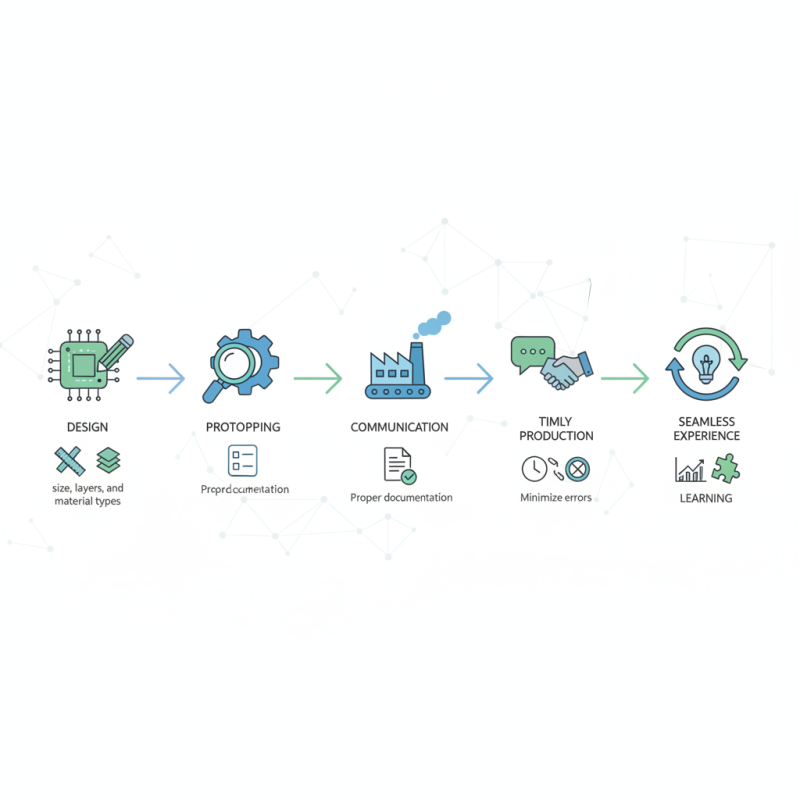
A PCB order involves designing, prototyping, and manufacturing printed circuit boards. It's crucial to gather precise specifications. This includes size, layers, and material types. Clients often rush through details, leading to mistakes that derail projects.
Every PCB order requires clear communication with suppliers. Proper documentation minimizes errors and ensures timely production. Neglecting this aspect can cause delays. The goal is to create a seamless experience. Identifying common pitfalls can help refine the process. Each order teaches important lessons in planning and execution.
What is a PCB Order and Its Importance in Electronics Manufacturing
In the world of electronics manufacturing, a PCB order is crucial. It involves the request for printed circuit boards, which are essential components in most devices. PCBs connect electronic components, allowing cameras, smartphones, and computers to function. Without them, modern technology would not exist.
When placing a PCB order, many aspects come into play. Design specifications must be accurate and complete. Any error in the file can lead to faulty boards. This situation can be frustrating and costly. You might think the process is straightforward, but it demands attention to detail. Each layer of the PCB, its size, and the thickness of the copper must be specified clearly.
Budget considerations are also essential. Quality materials can cost more, but they impact performance and longevity. Sometimes, it is tempting to choose cheaper options for cost savings. However, this can result in significant issues later. Electronic products often face challenges during testing phases, revealing flaws that could have been avoided with better PCB quality. Organizational skills are vital in managing these orders, as even small mistakes can lead to larger setbacks in production timelines.
Key Components of a PCB Order: Design, Specs, and Materials
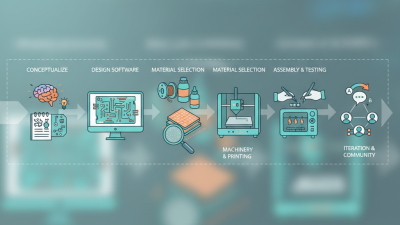
When placing a PCB order, attention to design, specifications, and materials is crucial. The design should be clear and precise. Ensure all layers are labeled correctly. Utilize design software to verify the layout. Inaccurate designs can lead to errors during production. Double-check component placements and routing. Mistakes here can be costly and time-consuming.
Specifications must be detailed. Indicate the board thickness and copper weight. This affects conductivity and overall performance. Pay attention to surface finish options. Each finish type offers different benefits. Selecting the right one is essential for durability. Consider the application of the PCB. Will it face high temperatures or moisture? These factors dictate material choices.
Materials play a significant role in the quality of the PCB. FR-4 is a popular choice for many applications. However, for specialized environments, advanced materials may be necessary. Choose materials that meet your project's requirements. Testing materials beforehand could save headaches later. Understanding these elements ensures a smoother order process. Reflect on these crucial aspects before submitting your PCB order.
What is a PCB Order - Key Components of a PCB Order: Design, Specs, and Materials
| Component |
Description |
Example Values |
| Design File Format |
File types used for PCB designs |
Gerber, ODB++, IPC-2581 |
| Layer Count |
Number of layers in the PCB |
2, 4, 6, 8 layers |
| Material Type |
Base material used for PCB |
FR-4, Rogers, Aluminum |
| Thickness |
Thickness of the PCB |
1.6 mm, 0.8 mm, 3.2 mm |
| Copper Weight |
Weight of copper layer |
1 oz, 2 oz, 3 oz |
| Surface Finish |
Method used to finish PCB surface |
ENIG, HASL, Immersion Tin |
| Order Quantity |
Number of PCBs needed |
10, 50, 100, 1000 |
Step-by-Step Process for Placing a PCB Order
Placing a PCB order can seem daunting at first. It typically requires clear communication of your specifications. Start by gathering all necessary design files, like Gerber files and Bill of Materials (BOM). Ensure your files are accurate—this is critical for quality. Often, errors arise from mismatched or unclear data.
Next, choose a manufacturer. Research their capabilities and turnaround times. Some might offer quick prototypes, while others focus on larger productions. Pay attention to their quality assurance measures. A cheap price can result in poor quality, which you’ll regret later.
After selecting a manufacturer, fill out the order form. Double-check all specifications. This includes dimensions, layer counts, and substrate materials. Consider checking customer reviews too. It helps to gather insights into others' experiences. Lastly, prepare for potential revisions. Manufacturing sometimes requires tweaking designs to fit capabilities. Remember, patience is vital; unexpected challenges will arise.
Common Mistakes to Avoid When Ordering PCBs
When placing a PCB order, paying attention to detail is crucial. One common mistake is not double-checking the design files. A slight error in a trace width can lead to failed prototypes. It's important to use correct software tools to generate your Gerber files. Sometimes, designers overlook the importance of file formats and send incompatible files. This can delay production significantly.
Another pitfall is ignoring minimum order quantities. Many manufacturers have specific requirements. Ordering fewer PCBs than the minimum can lead to unexpected costs. Additionally, be cautious when selecting materials. Not every material will suit your project’s needs. For example, using a standard substrate for high-frequency applications may cause performance issues.
Communication is also key. Failing to discuss timelines can create frustration. If there's a misunderstanding about delivery dates, it can impact your entire project. Be clear about your expectations, and confirm any assumptions. Miscommunication can lead to delays and lost opportunities. Always ask questions. Engaging in dialogue with the manufacturer can prevent many headaches later.
PCB Order Trends Over the Last Year
Understanding Lead Times and Costs in PCB Ordering
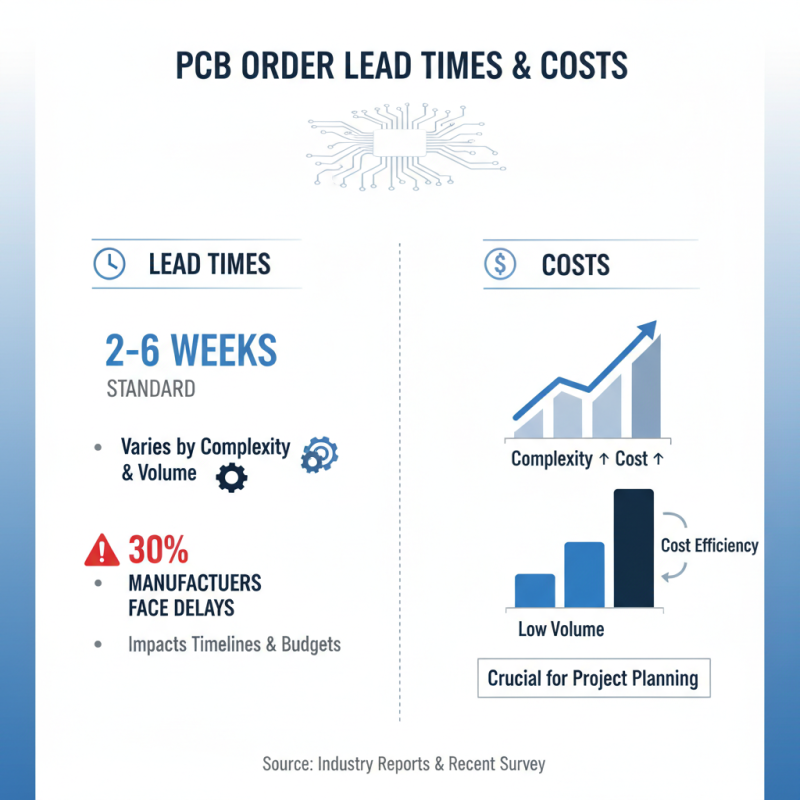
When placing a PCB order, understanding lead times and costs is crucial. Lead times can vary widely based on complexity and volume. Industry reports indicate that standard lead times range from 2 to 6 weeks. However, some projects may experience delays. A recent survey showed that 30% of manufacturers faced unexpected lead time issues. This can impact project timelines and budgets significantly.
Cost is another vital factor in PCB ordering. The average price for a single-layer PCB starts around $50, while multi-layer boards can exceed $500 based on specifications. Factors influencing cost include size, material, and finishing options. In fact, a study found that 40% of professionals underestimated PCB costs in their projects. This leads to budget overruns and project delays.
To avoid such pitfalls, it's vital to communicate with manufacturers early in the process. Understanding their capabilities can help mitigate delays. Additionally, requesting detailed quotes can clarify costs upfront. Some companies report success by engaging in pilot runs, although this can introduce risks. Balancing cost efficiency with quality is often a tough challenge in the PCB industry.