How to Source Die and Stamping Parts for Your Business?
In the dynamic world of manufacturing, sourcing Die And Stamping parts is crucial for success. John McCarthy, a recognized expert in the Die and Stamping industry, once stated, “Finding the right supplier is the backbone of efficient production.” This highlights the importance of strategic sourcing in manufacturing operations.
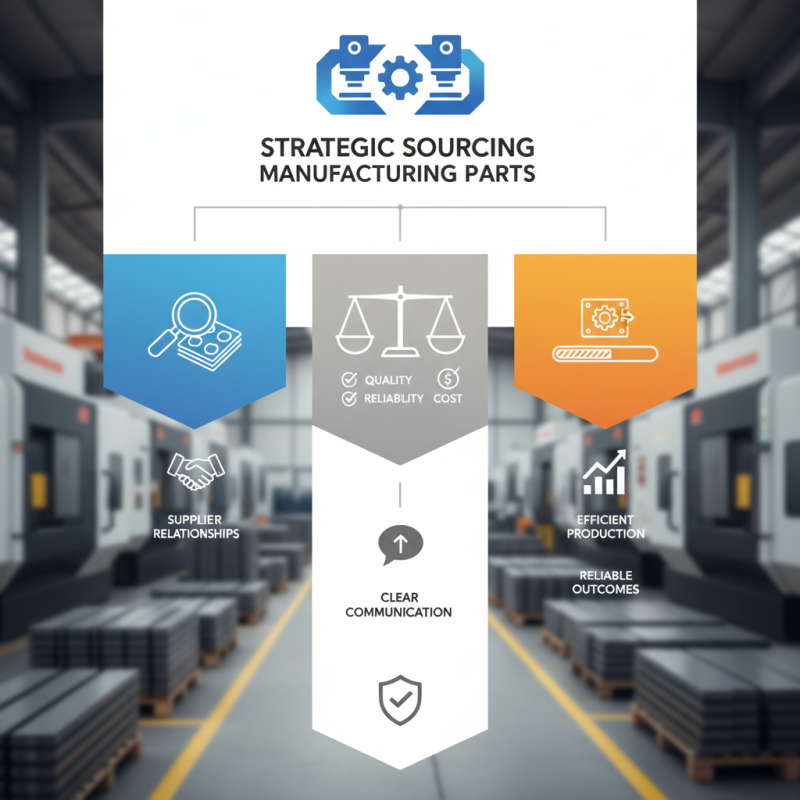
With a multitude of options available, businesses must navigate through challenges. Quality, reliability, and cost are key factors. It’s essential to consider suppliers that specialize in die and stamping processes. A well-chosen partner guarantees precision and durability in parts, which can elevate overall production.
However, sourcing isn't always straightforward. Businesses often face miscommunications or delays. Establishing clear expectations with suppliers is vital. Investing time in research and supplier evaluation can reveal potential obstacles. A thoughtful approach to sourcing die and stamping parts can ultimately lead to more reliable outcomes.
Understanding Die and Stamping Parts: Definition and Importance
Die and stamping parts play a pivotal role in manufacturing. They are essential components found in various products, including automotive, electronics, and appliances. Understanding their definition and significance in production can help businesses streamline operations and improve quality. According to a report by the Research and Markets, the global die and stamping market is projected to reach $280 billion by 2025. This growth reflects the increasing demand for precise and efficient manufacturing processes.
When sourcing die and stamping parts, consider engaging with suppliers who have a proven track record. Quality assurance is critical. Ensure they follow industry standards, which can vary across sectors. The International Organization for Standardization (ISO) provides guidelines that can enhance reliability. It's beneficial to ask for samples before placing bulk orders. This practice helps in assessing quality directly and reveals supplier responsiveness.
Tip: Focus on suppliers that offer advanced manufacturing techniques. Technologies such as laser cutting and CNC machining can enhance precision. Additionally, consider the supplier's location. Proximity can reduce shipping times and costs. Establishing a good relationship with your supplier fosters better communication and trust, essential for long-term partnerships. Regularly review supplier performance to adapt to shifting needs and market demands.
Identifying Your Business Needs for Die and Stamping Parts
Identifying your business needs for die and stamping parts is crucial. These components significantly impact both production efficiency and product quality. Begin by evaluating your current processes. What are the volume and complexity of the parts you need? Understanding these factors will help guide your sourcing decisions.
Tip: Document your specific requirements. A detailed list will clarify your needs. Include dimensions, tolerances, and materials. This documentation will serve as a basis for communicating with suppliers.
Consider the compatibility of parts with your existing machinery. It is essential to assess whether new components will fit seamlessly into your production line. Sometimes, businesses find themselves with parts that do not meet requirements, leading to waste.
Tip: Engage in trial orders. Start with small quantities to test quality and service. This approach allows you to evaluate the supplier before committing to larger orders. Reflect on these experiences to refine your sourcing process.
Researching Potential Suppliers for Die and Stamping Parts
When researching potential suppliers for die and stamping parts, start with a robust online search. Look for manufacturers specializing in metal fabrication. Use platforms that connect businesses with suppliers. Review their profiles, focusing on capabilities, experience, and certifications. Avoid suppliers without verifiable histories or client feedback. Points of contact are also essential. Choose suppliers who respond promptly and clearly.
Evaluate their process and technology. A reliable supplier should disclose their techniques and quality control measures. It’s important to assess their production capacity and delivery timelines. Some suppliers may lack the scale to meet your needs, leading to potential delays. Ask for samples or prototypes to gauge quality. This step can highlight the craftsmanship and materials used.
Don’t overlook local suppliers. They may offer benefits in communication and logistics. Finding the right balance between cost and quality is crucial. Some suppliers may offer lower prices but compromise on service. Weigh these factors carefully. Regularly revisiting supplier performance can reveal areas for improvement. Be prepared for adjustments in your supplier strategy as your business evolves.
Evaluating the Quality and Cost of Die and Stamping Parts
When evaluating the quality and cost of die and stamping parts, detailed analysis is crucial. Start by assessing the material specifications. Different metals and alloys can greatly impact durability and functionality. Investigate the supplier's capabilities to ensure they meet your technical requirements. This might involve visiting their facility or reviewing their quality management systems.
Tips: Always request sample parts before making a bulk order. This will provide firsthand insight into their quality and craftsmanship. Additionally, compare multiple quotes. A low price may indicate poor quality, while a higher price doesn’t always guarantee excellence. Remember to consider the long-term value of these components.
Another aspect to weigh is the manufacturer’s reputation. Look for reviews or case studies from past clients. A solid track record often speaks to their reliability. If you notice consistent complaints about delivery times or product failure, it might be a red flag. Yet, a few isolated incidents don’t necessarily reflect their overall performance.
Tips: Engage in discussions with other businesses in your industry. They can provide valuable insights and share their experiences with various suppliers. Building relationships with reputable sources can also lead to better pricing and support.
How to Source Die and Stamping Parts for Your Business? - Evaluating the Quality and Cost of Die and Stamping Parts
| Part Type | Material | Quantity | Unit Cost (USD) | Lead Time (Days) |
| Stamping Bracket | Steel | 100 | 2.50 | 15 |
| Die Cut Plate | Aluminum | 200 | 3.00 | 10 |
| Pressed Housing | Stainless Steel | 150 | 5.00 | 20 |
| Bend Component | Copper | 300 | 4.50 | 12 |
| Fabricated Grille | Plastic | 500 | 1.20 | 8 |
Establishing Long-term Relationships with Die and Stamping Suppliers
Establishing long-term relationships with die and stamping suppliers is crucial for business success. These relationships can enhance supply chain stability. Communication is key; regularly discuss your needs. This helps suppliers align their services with your expectations. A casual lunch or meeting can strengthen personal ties and build trust.
Another important aspect is understanding their production capabilities. Visit their facilities to grasp their processes. This insight allows you to make informed decisions about sourcing. It also opens up opportunities for collaboration. Share your business goals with them; this transparency nurtures partnership.
Ethical considerations should always guide your relationships. Ensure suppliers adhere to quality standards. Sometimes, issues arise—delays or quality inconsistencies. Address them directly and constructively. Reflect on what can be improved from both sides. A strong partnership can weather minor setbacks and result in long-term success.