

Why Is My Drain Pump Not Working?

Why Is My Drain Pump Not Working?

Why Is My Drain Pump Not Working? This question often appears after standing water remains inside a dishwasher, washing machine, or condensate system. A failed Drain Pump can stop a cycle, trigger an error code, or create an unpleasant odor within hours. The visible symptom seems simple. The cause may not be.

A practical inspection begins with the power supply and the drain path. Unplug the appliance before touching the pump, filter, hose, or wiring. A blocked filter may contain coins, lint, glass fragments, or food debris. A kinked hose can also prevent water from leaving, even when the motor sounds normal. Listen carefully. A low hum may indicate a jammed impeller, while complete silence may suggest a wiring, control board, or motor problem. These clues help, but they do not prove the diagnosis.

Manufacturer service manuals provide the most reliable testing values for each model. Experienced technicians usually check resistance, impeller movement, voltage, and hose condition in that order. Never guess with live electrical testing unless proper training and insulated equipment are available. Some repairs appear obvious but become costly after a rushed replacement. I have seen a new pump installed when the real fault was a blocked outlet hose. That mistake is easy to make. It is also preventable.

This guide explains common Drain Pump failures, safe inspection steps, and signs that professional service is necessary. It also separates temporary symptoms from genuine component damage, helping readers avoid unnecessary parts and repeated breakdowns.

Why Is My Drain Pump Not Working?

What a Drain Pump Does and How It Should Operate

Why Is My Drain Pump Not Working?

What a Drain Pump Does and How It Should Operate

A drain pump removes used water from an appliance after washing. A control board sends power to the pump at the correct stage. The motor then turns an impeller, which pushes water through the drain hose. In normal operation, you may hear a steady hum and a short rush of water. The pump should not grind, click repeatedly, or run without moving water.

Before checking anything, disconnect the appliance from power. Water and electricity require careful handling. Inspect the filter, sump area, and drain hose for lint, coins, glass, or hardened residue. Even a small object can stop the impeller. A kinked hose can also create back pressure, making a working pump seem defective. Keep a towel nearby.

I once blamed the pump too quickly. The actual problem was a blocked filter and a hose pressed against the cabinet. That mistake is worth remembering. If the impeller turns freely but the appliance still leaves water behind, test the pump with a qualified meter and follow the service instructions for that model. Some pumps receive power only during a programmed drain cycle. Others rely on a sensor or door-lock signal. Listen closely. A silent pump may indicate wiring or control failure, while a loud hum can suggest a jammed impeller. Do not run the pump dry for long. If burning smells, damaged insulation, or standing water near electrical parts appear, stop testing and contact a trained appliance technician.

Common Signs and Causes of a Nonworking Drain Pump

A nonworking drain pump usually reveals itself through standing water, a humming sound, or a tub that drains slowly. You may hear the motor running while dirty water remains below the filter. Some appliances stop mid-cycle and display a drain-related error. Others simply leave wet dishes or soaked clothing behind. The smell can become sour after several hours.

Not pleasant.

Common causes include a blocked filter, coins, glass fragments, lint, or a kinked drain hose. A jammed impeller may turn only after the appliance cools. Electrical faults are also possible, including a damaged wire, failed capacitor, or worn pump motor. In field service, technicians often check the filter and hose before replacing parts. That order prevents expensive guesses. Still, a clear filter does not prove the pump is healthy.

ENERGY STAR reports that certified clothes washers use about 20% less energy and 30% less water than standard models, so efficient draining remains important for reliable cycles. However, lower water use cannot explain persistent standing water. Disconnect power before inspection, and never reach into a wet pump chamber. A multimeter test should be performed by a qualified professional. One overlooked detail is the drain hose position; incorrect routing can cause backflow, even when the pump operates. My own caution is simple: a humming pump may suggest blockage, but it can also indicate a failing motor. Noise alone is weak evidence.

How to Check the Power Supply and Pump Connections

Why Is My Drain Pump Not Working?

How to Check the Power Supply and Pump Connections

A silent drain pump may have a power problem, not a mechanical failure. Unplug the appliance before removing any panel. Check the wall outlet with a lamp or approved voltage tester. Then inspect the breaker and residual-current protection device. A tripped protector can point to moisture or insulation damage. Do not repeatedly reset it.

NFPA’s electrical fire research recorded about 32,000 home structure fires involving electrical distribution or lighting equipment each year from 2015 to 2019. That figure is not pump-specific, but it supports careful electrical testing. Inspect the pump plug, terminal block, and wire harness for loose pins, dark marks, or melted plastic. Connections should feel firm. They should not wiggle.

With power disconnected, compare the pump’s resistance with its service documentation. Infinite resistance suggests an open winding; near-zero resistance may indicate a short. A multimeter helps, but it cannot prove safe insulation. Test for continuity between the motor terminals and the metal frame only if you are trained. Some pumps use electronic controls, so direct voltage testing can damage components. I have seen users blame the pump after finding a blocked impeller or a pinched hose. Check the filter and hose by hand. A small button or glass fragment can stop the rotor. If the pump receives correct voltage but remains still, professional diagnosis is safer than guesswork.

Why Is My Drain Pump Not Working?

Typical nominal AC supply values used when checking the drain pump power supply during a drain cycle.

Measure voltage at the pump connections only when the appliance is calling for drain and only if you are qualified to perform live electrical tests. A reading near the appliance’s rated supply voltage indicates that power is reaching the pump; no voltage points to the control circuit, wiring, or connector. Disconnect power before checking continuity or resistance.

Steps to Clear Blockages and Test the Pump

Why Is My Drain Pump Not Working?

Steps to Clear Blockages and Test the Pump

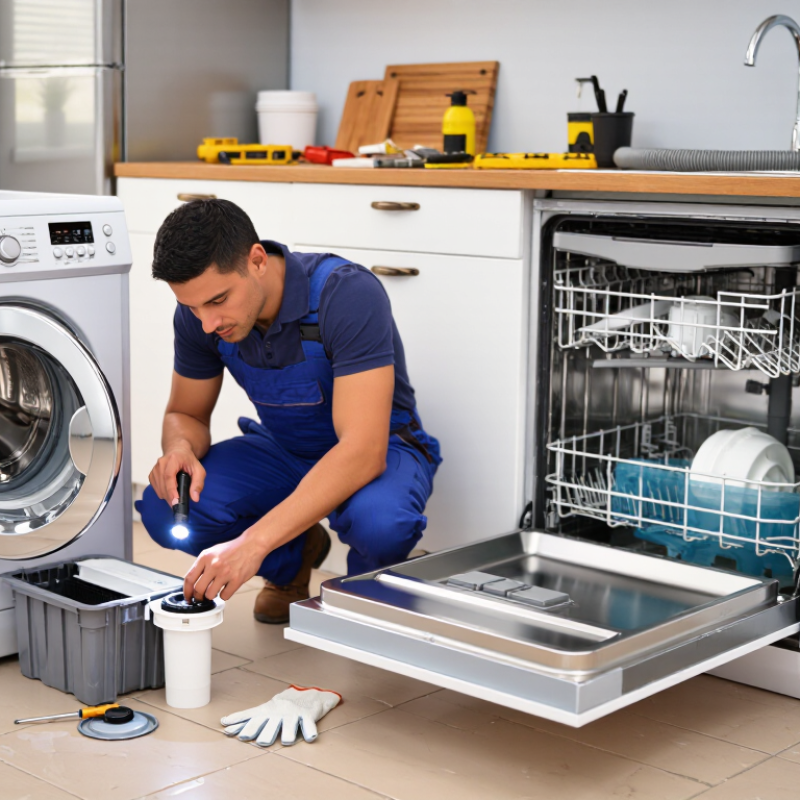
A silent drain pump does not always mean the motor has failed. Unplug the appliance and close its water supply before inspecting anything. Remove standing water with a shallow container and towels. Wear gloves, because coins, glass, hair, and sharp debris may hide inside the filter.

Check the drain filter, inlet opening, and outlet hose carefully. Rinse the filter under running water. Use a flashlight to inspect the pump chamber. The impeller should turn with slight magnetic resistance, not grind or wobble. Never force it. A small object can stop the impeller even when the motor remains healthy. Clear the hose with warm water, but avoid pushing debris deeper into the appliance. This is where rushed repairs often create another blockage.

Reconnect the hose and run a short drain cycle while listening from a safe distance. A steady hum with no water movement suggests a jam or damaged impeller. No sound may indicate wiring, a control fault, or an open motor circuit. A qualified technician can test continuity with a multimeter after power is fully disconnected. The reading should match the service specifications, not a guess from another appliance. If voltage testing is necessary, trained professionals should handle it. I would not bypass a door switch or operate exposed wiring for a quick test. That shortcut can cause electric shock or further damage.

When to Repair the Pump or Replace It

A nonworking drain pump does not always mean the pump is ruined. Start by disconnecting power and checking the filter, drain hose, and impeller area. Coins, lint, glass, or a small sock can stop the impeller from turning. A pump that hums but moves no water may have a blockage or a damaged impeller. A technician can test the wiring and motor with a meter.

Repair makes sense when the fault is external. Replacing a loose connector, clearing debris, or correcting a kinked hose may restore drainage quickly. Some pumps also have replaceable seals or impellers. However, repeated leaks, grinding bearings, a burnt electrical smell, or a motor that stays silent after proper testing usually suggest replacement. Do not keep running the appliance. Water may reach electrical parts.

The repair-versus-replacement decision depends on age, access, labor, and part availability. A pump repair can seem inexpensive until removal requires dismantling half the appliance. A practical rule is to compare the complete repair cost with about half the price of a suitable replacement appliance. This is not a perfect rule. I have seen an older machine survive after a simple pump repair, while another failed again within weeks. Ask for a written diagnosis, the exact failed component, and the expected service life after repair. If the pump housing is cracked or the motor has overheated, replacement is usually the safer investment.

Why Is My Drain Pump Not Working? - When to Repair the Pump or Replace It

Observed Symptom Most Likely Cause Recommended Check Repair or Replace? Urgency
The pump is completely silent and the appliance retains water. Blocked filter, failed power supply, faulty wiring, door or lid switch, or a failed pump motor. Disconnect power, remove standing water safely, clean the filter, and inspect the pump inlet for debris. Repair first. Replace the pump only if power reaches it but the motor does not run. High
The pump hums, but little or no water leaves the appliance. Foreign object in the impeller, restricted drain hose, clogged filter, or a seized impeller. Check the hose for kinks and inspect the impeller after disconnecting power. Do not force a stuck impeller. Repair if debris or a hose restriction is found. Replace if the motor or impeller is damaged. High
The pump runs, but the drain cycle takes much longer than normal. Partial blockage, buildup in the filter, restricted hose, or a worn impeller. Clean the filter and hose, then check whether the pump produces a strong, steady flow. Repair or clean when the flow improves after removing a blockage. Replace a worn pump with weak output. Medium
Water leaks from the pump housing or connection. Loose clamp, damaged hose, cracked pump housing, or worn seal. Inspect the hose connections and housing for cracks. Check for leaks only when the appliance is safely accessible. Repair a loose connection or hose. Replace a cracked housing or non-serviceable seal. High
The pump makes grinding, rattling, or squealing noises. Debris contacting the impeller, worn bearings, damaged impeller, or motor wear. Check for foreign objects. If the noise remains after cleaning, stop using the appliance until the pump is inspected. Repair when debris is the cause. Replace for bearing, motor, or impeller damage. High
The pump works intermittently or stops after heating up. Loose electrical connection, overheating motor, failing capacitor, or internal motor fault. A qualified technician should test voltage, continuity, and the pump under operating conditions. Usually replace the pump if the motor overheats or fails electrical testing. High
The drain pump has been replaced recently but still does not run. Incorrect installation, disconnected wiring, control-board fault, blocked drain path, or an incompatible replacement. Verify wiring, connectors, hose routing, filter condition, and the pump specification before replacing another part. Repair or diagnose the installation and control circuit before considering another pump. Medium
The pump is older, repeatedly fails, or has visible corrosion. Long-term wear, repeated leaks, mineral buildup, or deterioration of the motor and housing. Compare the total repair cost with the appliance's age, condition, and availability of replacement parts. Replace when failures recur or the repair approaches the cost of a new pump. Medium
Safety reminder: Disconnect electrical power before removing filters, hoses, or the pump. If water may have reached electrical components, or if live-voltage testing is required, contact a qualified appliance technician.